THE MOST IMPORTANT PROCEDURAL STEPS:
1
Source material for the pattern: Choose different materials according to casting needs. EPS for aluminum, copolymer of EPS and EPMMA for iron/steel.
2
Pr-expansion: Polystyrene is expanded using pentane as a blowing agent via a fluidity bed dryer.
3
Molding: EPS beads are blown into a metallic mold and bonded by heating to form pattern geometry.
4
Pattern Assembly: Sectional geometries are assembled into a complete pattern and mounted on a gating system.
5
Coating: Clusters are coated with a 2mm thick water-based refractory coating by dipping.
6
Mold Filling: Clusters are placed in a flask, filled with quartz sand, and compacted via vibration.
7
Casting: Molten metal is poured, decomposing the EPS and filling the mold cavity details.
Frequently Asked Questions (FAQ)
Q1: What materials are used for lost foam casting patterns?
A: For aluminum castings, expandable polystyrene (EPS) with pentane is used. For cast iron and steel parts, a copolymer made of EPS and EPMMA is preferred.
Q2: How is the mold filling process completed?
A: The coated cluster is placed in a flask, then quartz sand is added using a sand raining feeder and compacted using a high-frequency vibration table.
Q3: Is the casting sand recyclable?
A: Yes, after the demolding process, the used quartz sand is conveyed to a sand processing system for cooling, cleaning, and recycling.
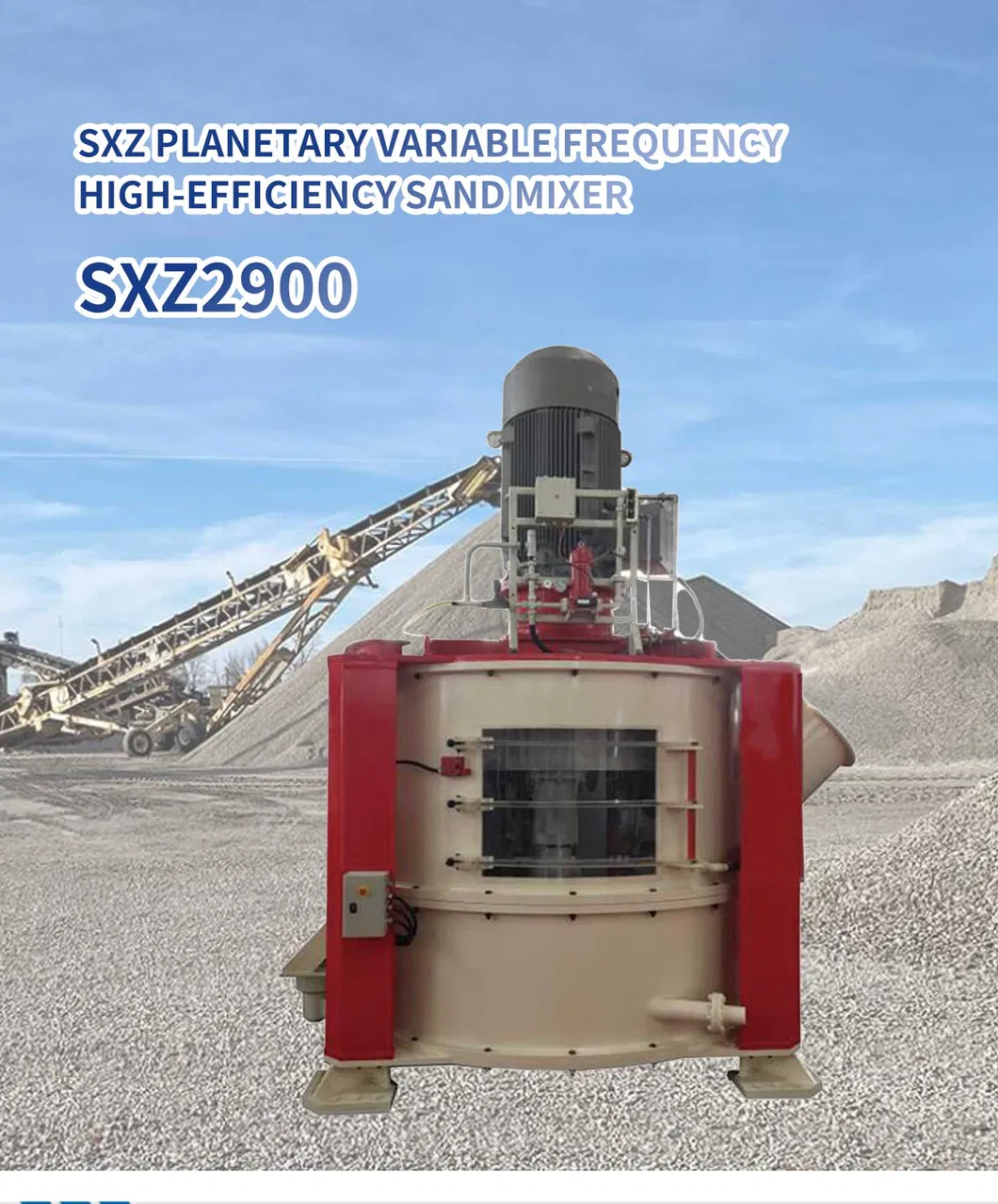
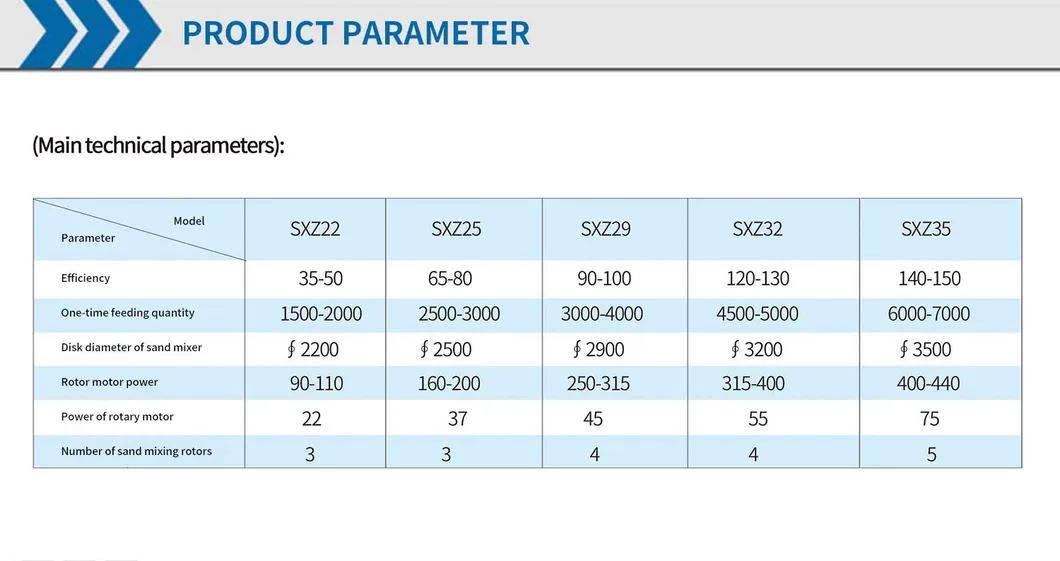
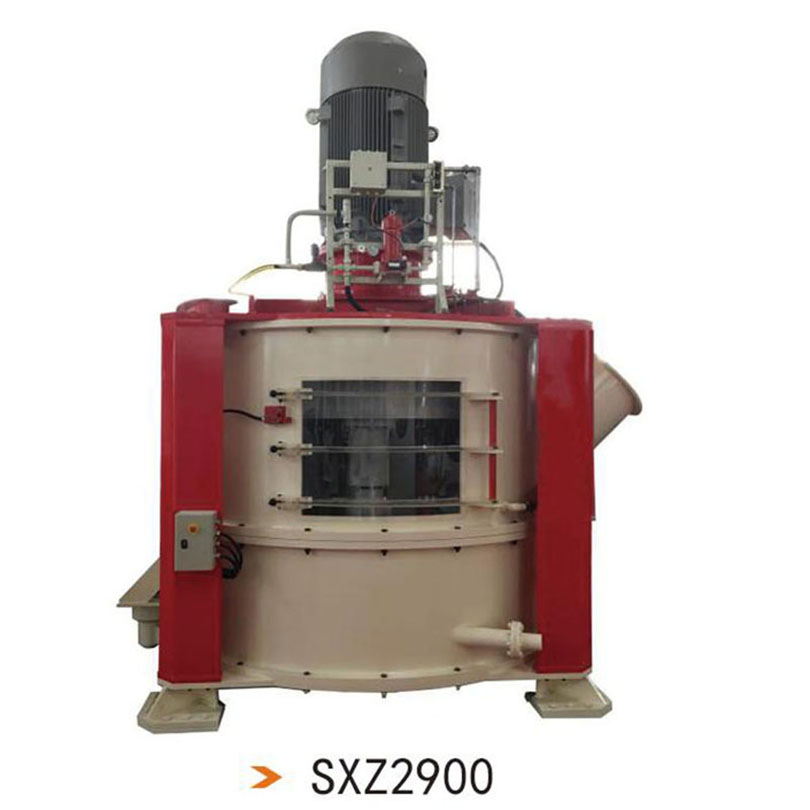
Q4: What is the production capacity of the SXZ2900 model?
A: The production line offers high productivity with a capacity of approximately 40-60 moulds per hour.
Q5: What certifications does this casting line have?
A: This production line is fully certified with ISO9001: 2000 and CE standards, ensuring international quality compliance.
Q6: What kind of after-sales service is provided?
A: We provide free spare parts and technical guidance for the operation of the lost mold casting production line.