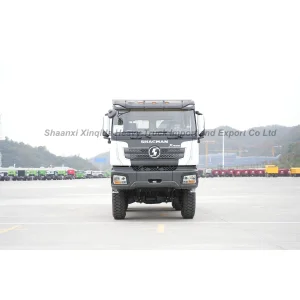
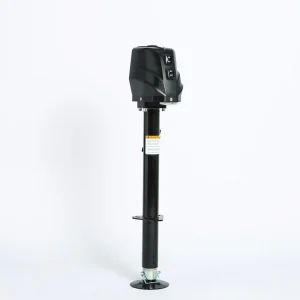
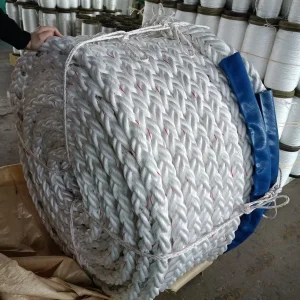
Optimized transport vehicles and high-capacity low bed systems configured for energy sectors and distribution networks across Port of Spain and Point Lisas.
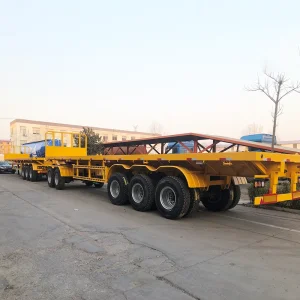
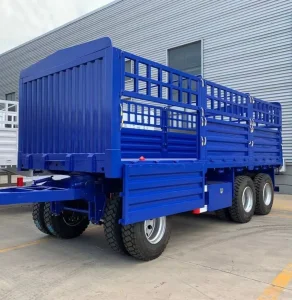
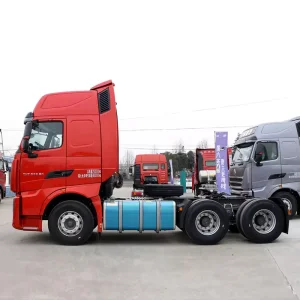
Trinidad and Tobago, as the leading industrial and petrochemical hub of the Caribbean, depends heavily on robust heavy-duty transport systems. Historically, the movement of liquid natural gas (LNG), ammonia, methanol, and manufacturing goods has relied on diesel combustion fleets. As global supply chains commit to carbon neutrality, local fleet operators in Point Lisas, Port of Spain, and San Fernando face the complex task of incorporating Electric Vehicles (EVs) into heavy-duty towing operations.
Transitioning from traditional diesel tractor trucks to electric platforms requires an understanding of torque curves, thermal loads, and energy management. In tropical coastal conditions, challenges include high relative humidity, elevated temperatures, and corrosive saline environments. These factor heavily into the longevity and reliability of battery chemistries, high-voltage circuitry, and chassis configurations.
Towing with electric vehicles demands a paradigm shift in how operators calculate range and route efficiency. Unlike internal combustion engine (ICE) vehicles that reach peak torque at high RPMs, electric traction motors deliver maximum torque instantly from zero RPM. This property is advantageous for uphill pulling on steep inclines like the Northern Range or Montserrat Hills in Central Trinidad.
However, the thermal management system of the EV is put under high stress when towing max payloads. Drawing high current continuously creates significant resistive heat within the lithium-ion or lithium-iron-phosphate (LFP) battery cells. Active liquid cooling systems are critical to prevent thermal runaway or cell degradation. When operating under ambient temperatures exceeding 32°C in Trinidad, these cooling circuits draw significant power, reducing overall driving range by up to 35% when towing maximum capacities.
A standard container transport route from the Port of Point Lisas to Chaguaramas shipyard (approx. 50 km) requires balancing high payloads with grade energy consumption.
| Parameter | Diesel Mover | EV Tractor |
|---|---|---|
| Peak Torque | 2,100 Nm @ 1,200 RPM | 3,500 Nm @ 0 RPM |
| Energy Cost / km | High (Imported Fuel) | Low (Local Grid Power) |
| Thermal Efficiency | 35% - 40% | 88% - 94% |
| Maintenance Interval | Short (Mechanical Wear) | Extended (Direct Drivetrain) |
To successfully deploy heavy-duty EV systems in Trinidad and Tobago, sourcing high-durability towing and auxiliary components is essential. Our partnerships with factories in Zhejiang and other key manufacturing clusters in China provide direct access to advanced engineering standards. This direct-from-factory access reduces cost while ensuring built-to-order compliance with severe tropical environments.
These factories specialize in high-tensile steel hot-stamping, precision hydraulic systems, marine-grade synthetic fibers, and smart electric control units. By standardizing component manufacturing, Chinese producers offer cost-efficiency alongside rigorous testing protocols that meet or exceed international standards like ISO 9001 and ISO 14001. This ensures that every winch, trailer, and tractor chassis delivered to Caribbean ports is built to withstand high salinity, moisture intrusion, and continuous cycle fatigue.
Chassis dynamics modification, tropical thermal pack integration, and anti-corrosion coating application.
Direct shipping routes from Ningbo-Zhoushan or Shanghai to Port of Spain, ensuring humidity protection in transit.
Customs clearance, final diagnostics calibration, and local testing in compliance with TTBS regulations.

 75+ Years Experience
At Zhejiang Emy Car Co., Ltd., we are dedicated to bringing you expert insights into the world of electric vehicles. Our team of seasoned automotive professionals works tirelessly to evaluate and rank the best electric cars on the market. With over 75 years of automotive testing experience, we bring you the most accurate, up-to-date, and reliable vehicle reviews.
We understand that purchasing an electric vehicle is a big decision, and we’re here to make that process easier for you. Every year, we put hundreds of cars, SUVs, and trucks through a rigorous series of tests. Our expert testers not only assess raw performance data, but also consider real-world factors such as comfort, technology, safety, and overall value to give you a comprehensive picture of each vehicle.
Our rankings aren’t just based on opinions—they reflect objective test results combined with in-depth hands-on evaluations. From acceleration, range, and handling to design and practicality, we provide thorough insights that truly help you find the electric vehicle that best fits your needs.
Our editorial team works with unmatched precision to ensure that every review is backed by real-world driving experiences, so you can trust that the information you receive is accurate and comprehensive. Whether you’re looking for a compact city car or a family-friendly SUV, we have the expertise to guide you toward the best choices on the market.
At Zhejiang Emy Car Co., Ltd., we are committed to transparency and quality, making sure our rankings reflect the performance and features that matter most to you. Trust us to deliver the best electric car recommendations based on years of expertise and hands-on testing.
Deployment of specialized towing equipment in Trinidad and Tobago is concentrated in areas where maritime cargo meets land-based transport. Our engineering studies focus on three primary target scenarios:
Deploying heavy machinery in Trinidad and Tobago requires adherence to specific local regulations:
Structural integrity and safety compliance verified under the Trinidad and Tobago Bureau of Standards guidelines.
Strict enforcement of gross vehicle axle weight allocations on the Uriah Butler and Solomon Hochoy Highways.
Navigating customs duties and motor vehicle tax waivers enacted by the Ministry of Finance for zero-emission vehicles.
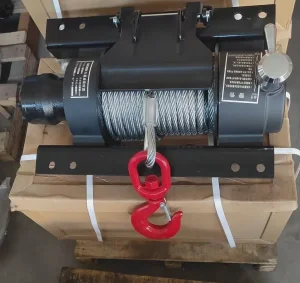
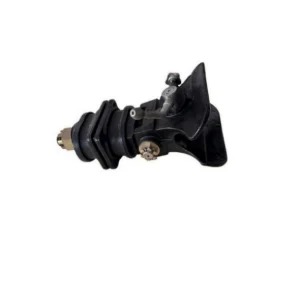
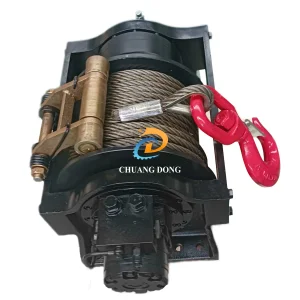
High-durability accessories, synthetic lines, and recovery winches deployed in Trinidad & Tobago maritime and industrial shipping sectors.

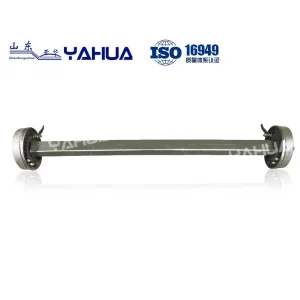
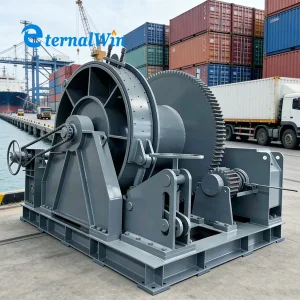
Expert technical insights regarding EV towing, local duty structures, battery performance in high humidity, and import pathways.
High relative humidity (frequently exceeding 85%) combined with salt air increases the risk of galvanic corrosion in high-voltage connection points and auxiliary winches. To mitigate this, vehicles and accessories imported from our partner factories feature IP67 or IP69K-rated sealed electrical enclosures and anti-corrosive powder coatings designed for marine-grade deployments.
Generally, towing a maximum gross vehicle weight (GVWR) payload reduces an EV's operating range by 30% to 50% depending on the terrain. On flatter coastal corridors like the highway between Port of Spain and Point Lisas, this penalty is lower. Range performance can be optimized using high-efficiency regenerative braking settings, which capture energy on downhill slopes.
Yes, under the current fiscal incentives provided by the Ministry of Finance, battery electric vehicles (BEVs) are exempt from customs duty, motor vehicle tax, and Value Added Tax (VAT). However, policies change periodically. Fleet operators should confirm specific parameters with customs brokers for heavy-duty electric trucks and auxiliary towing trailers.
Lithium Iron Phosphate (LFP) chemistry is generally preferred for heavy industrial applications in tropical climates due to its thermal stability and cycle life. Compared to Nickel Manganese Cobalt (NMC) options, LFP cells are less prone to thermal runaway under high-current discharge conditions, though they exhibit slightly lower energy density.
When a heavily loaded EV truck descends grades like the Lady Young Road, the electric motor runs in reverse to act as a generator. This decelerates the vehicle while converting kinetic energy back into electrical energy stored in the battery pack. This process reduces mechanical brake wear and helps prevent brake fade.
Through direct factory channels, we provide structured spare parts provisioning programs. Essential replacement components, including high-voltage relays, hydraulic winch seals, high-strength synthetic tow lines, and suspension elements, can be shipped via air express or ocean container to the Port of Port of Spain to maintain fleet uptime.
Speak directly with our heavy transport integration team. We provide full layout design, weight distribution calculations, battery thermal diagnostics, and customs documentation assistance for Trinidad and Tobago.
Send Inquiry Now Emy Car