Decarbonization, electricity peak-shaving demands, and grid instability are driving corporate enterprises toward industrial-grade Battery Energy Storage Systems (BESS).
The global transition to renewable energy has elevated Commercial & Industrial Battery Energy Storage Systems (C&I ESS) from auxiliary backup assets to core financial drivers for modern enterprises. Commercial ESS facilities enable energy arbitrage, peak demand charge mitigation, microgrid autonomy, and seamless integration with EV fleet charging infrastructure. However, navigating the international manufacturer ecosystem requires a granular evaluation of cell chemistry stability, thermal management efficiency, Power Conversion Systems (PCS), and cloud-native Battery Management System (BMS) software architecture.
As global utility tariffs shift toward dynamic time-of-use (TOU) rates, selecting the right supplier among the top commercial ESS factories demands rigorous technical due diligence. This comprehensive whitepaper provides B2B procurement managers, EPC contractors, and utility project developers with an objective framework to benchmark suppliers, audit OEM/ODM manufacturing capability, and calculate Levelized Cost of Storage (LCOS) across a 15-to-20-year project lifespan.
Unmatched vertical supply chain integration, massive production scale, and advanced battery technology clusters.
Chinese commercial ESS suppliers benefit from direct access to raw material refining (Lithium, Cobalt, Nickel, Graphite), cathode/anode processing, separator manufacturing, and automated prismatic cell assembly. This proximity eliminates international logistics delays and reduces BOM cost by 25-35% compared to Western assemblers.
Leading ESS factories in regional hubs like Zhejiang, Jiangsu, and Guangdong have pioneered direct-to-chip liquid cooling systems and cabinet-level aerosol fire suppression. By moving from air cooling to liquid cooling, energy density is boosted by 40% while cell temperature deviation is kept within ≤ 2.5°C.
Top Chinese ESS factories operate under rigorous international standards, offering fully pre-certified outdoor cabinet systems and containerized 20ft/40ft solutions ready for immediate grid interconnect across Europe, North America, Australia, and Southeast Asia.
Engineered for high-reliability commercial, industrial, and utility-adjacent deployments.
| Application Scenario | Primary Commercial Objective | Technical System Configuration | Key ROI & Economic Driver |
|---|---|---|---|
| C&I Factory Peak Shaving | Cut expensive peak demand charges during high-tariff operational shifts. | 100kW / 215kWh Liquid-Cooled Outdoor Cabinets (LFP) | 15-30% Reduction in monthly utility demand tariffs. |
| Solar + Storage Microgrids | Store excess daytime PV energy for consumption during non-solar hours. | 500kW / 1MWh All-in-One Containerized BESS with EMS | Achieves 80%+ corporate net-zero energy self-consumption. |
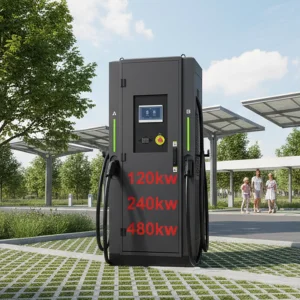
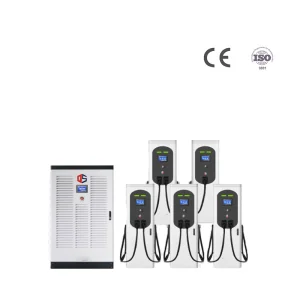
| EV Ultra-Fast Charging Hubs | Buffer local transformer grids against severe high-kW voltage spikes. | 180kW-360kW Fast DC Chargers + 500kWh Dynamic BESS Buffer | Avoids multi-million dollar utility grid upgrade costs. |
| Data Center Uninterruptible Power | Provide zero-millisecond power transition during utility grid brownouts. | High-C Rate LFP Battery Rack Systems with Active BMS | Ensures 99.999% uptime compliance for critical workloads. |
When selecting a commercial ESS supplier, enterprise engineering teams must evaluate three structural layers:
About Us - Zhejiang Emy Car Co., Ltd.
At Zhejiang Emy Car Co., Ltd., we are dedicated to bringing you expert insights into the world of electric vehicles. Our team of seasoned automotive professionals works tirelessly to evaluate and rank the best electric cars on the market. With over 75 years of automotive testing experience, we bring you the most accurate, up-to-date, and reliable vehicle reviews.
We understand that purchasing an electric vehicle is a big decision, and we’re here to make that process easier for you. Every year, we put hundreds of cars, SUVs, and trucks through a rigorous series of tests. Our expert testers not only assess raw performance data, but also consider real-world factors such as comfort, technology, safety, and overall value to give you a comprehensive picture of each vehicle.
Our rankings aren’t just based on opinions—they reflect objective test results combined with in-depth hands-on evaluations. From acceleration, range, and handling to design and practicality, we provide thorough insights that truly help you find the electric vehicle that best fits your needs.
Our editorial team works with unmatched precision to ensure that every review is backed by real-world driving experiences, so you can trust that the information you receive is accurate and comprehensive. Whether you’re looking for a compact city car or a family-friendly SUV, we have the expertise to guide you toward the best choices on the market.
At Zhejiang Emy Car Co., Ltd., we are committed to transparency and quality, making sure our rankings reflect the performance and features that matter most to you. Trust us to deliver the best electric car recommendations based on years of expertise and hands-on testing.


A step-by-step technical framework to evaluate commercial ESS OEM/ODM suppliers.
Inspect the manufacturer's cleanroom standards (Class 10,000 for battery pack assembly), automated laser welding precision, and Manufacturing Execution System (MES) traceability. Traceability ensures every cell's internal impedance, capacity rating, and voltage curve are logged in a permanent database.
Verify that cabinets incorporate dynamic gas detectors (CO and H2 early warning sensors) paired with automatic FK-5-1-12 (Novec 1230) or Aerosol fire suppression systems. Insist on review of original UL 9540A unit-level and module-level burn test reports.
Confirm top-tier reinsurance backing (e.g., Munich Re or Aon) for performance warranties. Ensure the factory provides guaranteed throughput retention (typically 70% capacity after 10 years or 6,000 full cycles at 100% Depth of Discharge).
Innovations redefining energy density, software intelligence, and grid resilience.
The industry is transitioning rapidly from standard 280Ah cells to 314Ah and 500Ah+ cell formats. This shift boosts 20ft container BESS capacity from 3.35MWh to 5.0+MWh, substantially reducing footprint and civil engineering costs for industrial plants.
Commercial ESS cabinets are no longer isolated energy islands. Modern EMS platforms feature native API hooks for VPP aggregation, allowing businesses to generate passive revenue by bidding instantaneous frequency response into national electrical grids.
Air-cooled commercial ESS systems are quickly becoming obsolete in ambient temperatures over 35°C. High-efficiency liquid cooling plates reduce parasitical auxiliary energy consumption by 30% while extending total system life by up to 3 years.
Expert engineering answers to common inquiries on commercial ESS factory sourcing.
 Emy Car