A driver presses the start button, watches the dashboard wake, and hears almost nothing. That quiet moment can feel strange, especially in a garage where a petrol engine would usually rumble and vibrate. Why is there no noise when i start my electric car? In most electric cars, there is no combustion engine to crank, ignite fuel, or idle. The motor can deliver power with very little sound, while the car’s electronics and displays switch on quietly. A faint click, soft chime, or brief whir may still come from relays, pumps, or climate-control equipment.
Automotive journalist and EV analyst John Voelcker has discussed how electric cars differ from conventional vehicles. A concise paraphrase of the engineering explanation is: “An electric car can be ready to move without the familiar noise of an idling engine.” This is a paraphrase, not a verified verbatim quotation. Quiet does not always mean the car is off. Check the dashboard’s READY indicator, select the gear, and follow the owner’s manual before moving. Some models add a low-speed warning sound to help people nearby notice the vehicle. That sound is designed for safety, not to imitate a full engine. The silence can be reassuring, but it can also catch new owners off guard. Honestly, it takes getting used to. A quiet start is usually normal; unusual warning lights, messages, or changes in performance deserve attention from a qualified technician.
In gasoline cars, startup noise begins when the starter motor turns the engine’s crankshaft. Fuel then enters the cylinders, ignites, and creates pressure pulses. The exhaust system amplifies some of this energy.
Cold engines sound louder because oil is thicker and emissions systems warm quickly. A brief rise in engine speed is normal. It is not always a fault.
Electric cars use a battery, inverter, and traction motor instead. The motor can produce driving torque immediately, without combustion or exhaust pressure. That removes the familiar rumble beside the vehicle. The International Energy Agency reported nearly 14 million electric cars sold worldwide in 2023, showing how quickly quiet propulsion is becoming common.
Still, silence can feel unusual. I sometimes expect a mechanical response that never arrives. That expectation deserves attention, especially in busy parking areas.
Tips: Check the instrument display before selecting Drive. Listen for warning tones, brake-system sounds, or cooling fans. Do not assume silence means the vehicle is off. Low-speed acoustic alerts are required in many markets, according to UNECE vehicle-safety rules. Their sound helps pedestrians, but the technology is not perfect. Drivers should also watch mirrors and blind zones, because hearing the car is no longer reliable.
China Best Electric Cars: Why Is There No Startup Noise?
An electric car does not start by igniting fuel. Its battery already stores electrical energy before the driver enters. When the brake pedal is pressed, the vehicle checks the key signal, battery condition, and safety systems. A small low-voltage battery wakes the computers. Then, high-voltage contactors connect the main battery to the drive system. You may hear a soft click. That is often the closest thing to engine startup.
The inverter changes battery power into controlled current for the electric motor. The motor can produce maximum torque from a standstill, so no idle phase is necessary. There is no fuel injection, exhaust system, or rotating engine waiting to warm up. The dashboard may show “Ready,” confirming that the car can move. It is a quiet but important change. The vehicle is active, even when the cabin feels still.
Silence can feel strange at first. A driver may press the accelerator too quickly because no engine note provides a warning. Some cars add a low-speed alert for pedestrians, while others remain nearly silent. In cold weather, the battery heater or cooling pump may create a faint hum. The process is also not perfectly invisible; a weak auxiliary battery can prevent the car from entering Ready mode. That detail is easy to forget. Quiet operation does not mean simple operation.
China Best Electric Cars: Why Is There No Startup Noise?
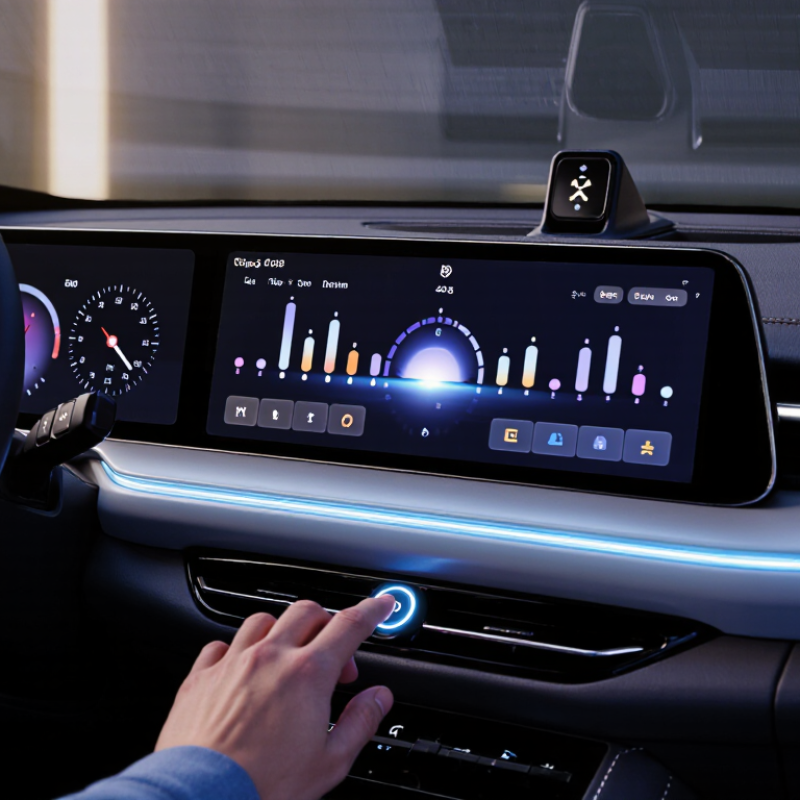
Many leading Chinese electric vehicles do not roar when powered on. Their motors produce little sound at rest, so drivers receive different signals. A glowing “READY” icon, a brief chime, and a dashboard animation often confirm activation. Some models also show energy flow on the central screen. These details replace the familiar engine vibration.
This quiet design reflects a wider market shift. The International Energy Agency reported nearly 14 million electric car sales worldwide in 2023, with China representing about 60% of them. As electric vehicles become common, silent startup improves cabin comfort. However, it can also create uncertainty. I sometimes press the brake again, checking whether the vehicle is truly ready. The feeling is practical, but not always intuitive.
Tips: Check the illuminated READY symbol before selecting a gear. Keep your foot firmly on the brake. Listen for the confirmation chime, but do not depend on sound alone. At low speeds, external acoustic alerts may operate automatically. UNECE Regulation No. 138 supports acoustic vehicle alert systems for quiet vehicles, especially during slow movement and reversing. Their purpose is pedestrian awareness, not engine imitation. A weak screen signal can still confuse new drivers. Better icons, clearer wording, and stronger tactile feedback would help. The industry has improved quickly, but startup communication remains an area worth questioning.
How leading Chinese EVs signal that they are powered on
A battery-electric vehicle has no combustion crank, ignition pulse, or exhaust event when it becomes ready to drive. Instead, drivers typically receive an electronic READY indicator, dashboard chime, or other software-controlled confirmation. Low-speed pedestrian alerts may also operate when required by local regulations. The exact sound and volume vary by vehicle and market.
China Best Electric Cars: Why Is There No Startup Noise?
An electric car may feel strangely silent when you press the start button. Its motor has fewer moving parts, so it does not need fuel ignition, exhaust pulses, or a traditional starter sound. Inside the cabin, the dashboard may show “Ready,” while the vehicle seems completely still. That quiet moment can surprise drivers who expect a familiar engine response.
Some electric cars add artificial startup sounds to replace that missing feedback. The sound might be a soft electronic tone, a low hum, or a short sequence that rises in pitch. It can confirm that the vehicle is powered and ready to move. During low-speed testing, this small signal feels useful when the cabin is quiet and the display is easy to miss. It also gives the driving experience more character.
Sound design has limits. A dramatic tone may feel exciting at first, but it can become tiring during repeated commutes. A gentle signal seems more practical. I still think some systems overdo it. The best sound should inform the driver without pretending to be a gasoline engine. Quiet can be a feature. Yet, without clear feedback, silence sometimes feels like a fault.
| Topic | What Happens | Why It Happens | When a Sound May Be Heard | Key Point |
|---|---|---|---|---|
| Powering on | The vehicle’s control systems become active, often without a loud engine-start sound. | An electric car has no combustion engine that needs to start and idle. | A dashboard message, indicator light, or quiet electronic chime may signal that the car is ready. | A quiet power-up is normal and does not necessarily mean the car is off. |
| Electric motor at a standstill | The motor can produce little or no noticeable sound while the car is stationary. | Unlike an idling combustion engine, an electric motor does not need to keep running audibly while stopped. | Low-level sounds from fans, pumps, relays, or climate systems may still be audible. | Some operational noises are normal, but they are different from an engine-start sound. |
| Artificial startup sound | Some vehicles play a short synthesized tone or sound when switched on or made ready to drive. | The sound can reassure the driver that the vehicle has powered up and can add a distinctive user experience. | It may play inside the cabin during startup, depending on the vehicle’s design and settings. | A startup sound is a design choice, not a mechanical requirement for electric propulsion. |
| Pedestrian warning sound | An external warning sound may be emitted at low speeds or while reversing. | Quiet vehicles can be harder for pedestrians to hear, so regulations in many markets require acoustic warning systems in specified conditions. | It is generally heard outside the car during low-speed travel or reverse, rather than as a cabin startup noise. | This safety alert serves a different purpose from an optional startup sound. |
| Sound customization | Available sound settings can differ; some vehicles allow certain cabin alerts or sound effects to be adjusted. | Manufacturers balance driver preference, clear feedback, and applicable safety requirements. | Settings may be found in the vehicle’s sound, alert, or accessibility menus. | An external pedestrian warning may be subject to legal requirements and may not be user-adjustable. |
| What the driver should check | Confirm readiness using the instrument display and the vehicle’s ready-to-drive indicator. | Visual indicators provide clear confirmation without relying on engine noise. | Check the owner’s manual if the display, warning chime, or startup behavior is unclear. | The exact sounds and indicators vary by vehicle and settings. |
For drivers comparing electric cars in China, the quiet cabin can make readiness confusing. A gasoline engine announces itself, but an EV may not. During a driveway check, press the brake and watch the instrument display. Look for “Ready,” a green driving symbol, or a gear indicator showing Drive or Reverse. Exact wording varies by vehicle. It feels strange. The car can be powered and ready while parked.
Keep your foot firmly on the brake before selecting a gear. Some vehicles activate when a key is detected and the brake is pressed. Others need a start button. Check the mirrors and surrounding area before releasing the parking brake. A faint relay click, screen glow, or climate system may appear, but these are only supporting clues. Watch the display. If a warning remains, the gear selector is unavailable, or the car says it is charging, stop and read the manual.
A useful routine is simple: seat belt, brake, display, surroundings. On a slope, hold the brake until the ready symbol appears. In my own checks, I have sometimes reached for the selector too early. That small mistake showed me how easily silent operation can hide the vehicle’s status. Learn the dashboard symbols in daylight, not during busy traffic. A phone photo of the manual page can help, although I still prefer the printed instructions.
A starter motor turns the crankshaft. Fuel ignites in the cylinders. Pressure pulses then travel through the exhaust system.
Cold oil is thicker, and emissions equipment warms quickly. The engine may briefly run at higher speed. This is often normal.
It uses a battery, inverter, and traction motor. There is no combustion, exhaust pressure, or engine idle phase.
Press the brake and check the dashboard. A glowing “READY” symbol usually confirms that the vehicle can move.
You may hear a soft click, a brief chime, or a faint cooling-fan hum. Sometimes, there is almost no sound.
Yes. The motor can produce driving torque from a standstill. Keep your foot firmly on the brake before selecting Drive.
Many vehicles create acoustic alerts at low speeds and while reversing. These sounds support awareness, but they cannot replace careful observation.
Check the READY icon, warning messages, brake response, mirrors, and blind zones. Do not assume silence means the vehicle is off.
A weak auxiliary battery or a detected safety issue can prevent activation. The screen may provide a warning. Sometimes, the message is unclear.
Gasoline cars usually make startup noise because the starter motor turns the engine, fuel begins burning, and the exhaust system produces vibration and sound. Electric cars work differently: when the driver presses the brake and activates the power button, electricity flows quietly from the battery to the motor and control systems. Since there is no combustion engine, fuel ignition, or traditional exhaust process, the vehicle can be powered on with little or no audible noise. This is why many drivers ask, “Why is there no noise when i start my electric car?”
Some electric vehicles add artificial startup sounds through speakers to reassure drivers that the car is ready, while others rely on dashboard indicators, warning tones, or changes in the display. Drivers can confirm readiness by checking for a “Ready” message, observing that the parking brake and selected gear are active, and noticing that the vehicle responds smoothly when the accelerator is pressed. The quiet start is normal, but drivers should remain attentive because the car may move almost silently.

Emy Car