Why are My Electric Car Tires Worn Out So Quickly?

Time:2026-05-19 Author:Sienna
0%

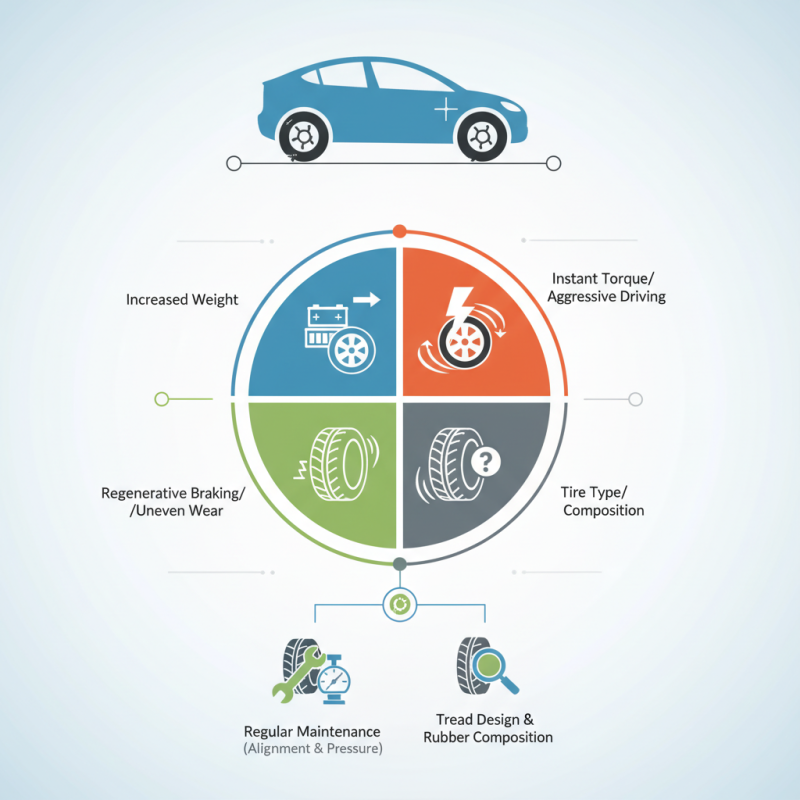
The rapid wear of electric car tires raises an important question: "Why is my electric car tire wearing out so fast?" Many drivers notice this issue, often feeling frustrated. Electric cars tend to be heavier due to their batteries. This added weight increases pressure on the tires, causing more friction and quicker wear.

Additionally, the instant torque from electric motors can lead to aggressive driving habits. This driving style often accelerates tire degradation. Furthermore, the regenerative braking system in electric vehicles can lead to uneven wear patterns. Not all tires are created equal; some may not be suited for electric vehicles, which can exacerbate the problem.

Regular maintenance is essential. Checking alignment and tire pressure can help prolong tire life. Drivers should also consider the tire's tread design and rubber composition. Understanding these factors can provide clarity on managing tire wear. Electric car owners must be aware of these aspects to mitigate accelerated wear and enhance their driving experience.
Why are My Electric Car Tires Worn Out So Quickly?

Causes of Rapid Tire Wear in Electric Cars

Electric vehicles (EVs) have gained popularity for their eco-friendliness. However, many drivers notice rapid tire wear. Understanding the causes of this issue is essential for both safety and efficiency. One significant factor is the weight of EVs. Due to heavy battery packs, these vehicles often weigh more than traditional cars. According to a report from the International Council on Clean Transportation, the added weight can increase tire wear by up to 30%.

Another contributing factor is the instant torque delivery typical of electric motors. This powerful acceleration can lead to increased strain on tires. A study from the Tire Industry Association indicates that aggressive driving habits can shorten tire lifespan by 25%. EV drivers may find themselves tempted to accelerate quickly, exacerbating tire wear.

Tire choice also plays a crucial role. Many EVs come equipped with low-resistance tires designed for efficiency. While these tires improve range, they often compromise durability. Data from the U.S. Department of Transportation suggests that using tires focused on improved performance can lead to enhanced grip but may also result in faster wear. Reflecting on tire maintenance habits could help alleviate this problem, ensuring safer and longer-lasting performance on the road.

Differences Between Electric and Conventional Car Tires

Electric vehicle (EV) tires are distinct from conventional car tires due to their specific design needs. One major factor is the weight distribution of EVs. Most electric cars have heavy batteries located low in the chassis. This adds significant weight, which increases tire wear. According to the Tire Industry Association, EV tires can wear out 20% faster than standard tires.

Another point of difference is torque delivery. Electric motors produce instant torque, providing swift acceleration. This can lead to greater tire strain, especially during aggressive driving. A study by the National Highway Traffic Safety Administration (NHTSA) indicated that EVs often face increased tire temperatures. Higher temperatures can lead to faster degradation of the rubber, impacting longevity.

The tread design in EV tires is also unique. They often feature softer compounds to enhance grip and reduce road noise. However, this can compromise durability. As a result, vehicle owners may notice uneven wear patterns. Regular rotation and proper inflation are essential to extend tire life. Paying attention to these factors can help improve tire performance and longevity for electric vehicles.

Why are My Electric Car Tires Worn Out So Quickly? - Differences Between Electric and Conventional Car Tires

Tire Type Average Lifespan (miles) Tread Wear Rate (mm/year) Factors Contributing to Wear
Electric Car Tires 25,000 - 30,000 1.5 - 2.0 Weight of the battery, instant torque, driving style
Conventional Car Tires 40,000 - 50,000 0.7 - 1.0 Weight, power delivery, driving conditions
All-Season Tires 30,000 - 40,000 1.0 - 1.5 Variable driving conditions
Performance Tires 20,000 - 30,000 1.5 - 2.5 Aggressive driving, higher temperatures

Impact of Electric Vehicle Torque on Tire Longevity

Electric vehicles (EVs) are known for their instant torque. This feature, while beneficial for acceleration, can lead to increased tire wear. Traditional combustion engine vehicles often distribute power more gradually. In contrast, EVs can deliver maximum torque instantly. This sudden force can stress tires, causing quicker deterioration.

A common issue among EV drivers is uneven tire wear. The high torque can cause tires to lose grip and slip during aggressive driving. This effect is more pronounced on certain road surfaces. As a result, many EV owners find themselves replacing tires more frequently than anticipated. Different driving habits can also impact longevity. Aggressive cornering or rapid acceleration can exacerbate wear.

Furthermore, the weight of EVs must be considered. Electric vehicles often have large batteries, adding significant weight. This additional mass further compounds tire wear. Maintaining proper tire pressure is essential. A well-maintained tire can enhance longevity, but it may still fall short compared to conventional cars. Regular rotations and alignments are critical in managing tire health. However, the unique challenges posed by EVs require constant diligence from drivers.

Environmental Factors Contributing to Tire Wear

Environmental factors play a significant role in tire wear for electric cars. This type of vehicle often has a heavier structure, which can lead to quicker tire deterioration. The added weight affects traction and increases stress on tires. Additionally, driving habits can magnify these effects. Aggressive acceleration and hard braking are common behaviors that lead to uneven wear on tires.

Weather conditions also contribute to how tires wear out. Extreme temperatures, both hot and cold, can cause the rubber to degrade faster. Rain and snow can create slippery conditions, encouraging drivers to rely more on their brakes. This can lead to quicker tire wear as well. Other environmental factors include road conditions. Rough, potholed roads can increase the risk of damage to tires.

Consideration of these factors is essential for electric car owners. Regular tire maintenance is crucial. Checking air pressure consistently ensures that tires wear evenly. Tire rotation is another maintenance practice that can extend lifespan. Monitoring driving habits can prevent uneven tire wear. Reflecting on these points may help enhance tire longevity.

Maintenance Tips to Extend Tire Life for Electric Vehicles

Electric vehicles (EVs) are known for their efficiency, but their tires can wear out faster than traditional vehicles. This issue partly stems from instant torque and increased weight. EVs often have heavier batteries, which puts more pressure on tires. Additionally, rapid acceleration can lead to uneven wear patterns. To combat this, regular tire rotation is essential. This process ensures even distribution of wear, extending tire life significantly.

Maintaining proper tire pressure is another crucial factor. Over- or under-inflated tires can drastically reduce performance and longevity. Check the pressure regularly, aiming for the manufacturer’s recommended levels. Consider investing in a quality tire pressure monitoring system. Such systems provide real-time data to help you stay informed. Sometimes, external influences like road conditions can also affect tire health. Potholes and rough surfaces can cause damage, so be vigilant when driving.

Lastly, pay attention to tread depth. Worn tread can lead to poor traction and handling, especially in adverse weather conditions. It’s wise to replace tires before they reach the legal limit. Regular inspections can help identify issues early. Embracing these maintenance tips can significantly prolong your EV's tire life while enhancing your overall driving experience.

FAQS

: What makes electric vehicle tires different from conventional tires?

: Electric vehicle tires are designed for the specific weight and torque of EVs, impacting their durability.

Why do EV tires wear out faster?

The heavy batteries in EVs add significant weight, leading to increased tire wear—up to 20% faster than standard tires.

How does instant torque affect tire performance?

Instant torque from electric motors contributes to greater strain on tires, which can accelerate wear, especially during aggressive driving.

Why is tire rotation important for electric vehicles?

Regular tire rotation helps to ensure even wear, extending the life of the tires and improving vehicle performance.

What is the impact of tire pressure on tire longevity?

Maintaining proper tire pressure is crucial. Incorrect inflation can lead to reduced performance and speed up tire degradation.

How can road conditions affect electric vehicle tires?

Potholes and rough surfaces can cause tire damage. Be aware of road conditions to protect your tires from harm.

What should I check regarding tread depth?

Worn tread leads to poor traction. Inspect tread regularly and replace tires before they reach the legal limit.

Are softer tread compounds a good choice for EV tires?

Softer compounds enhance grip but can wear out faster. Balance performance with durability when choosing tires for an EV.

What role does temperature play in tire wear?

Higher temperatures from driving can degrade tire rubber more quickly, impacting overall tire life and performance.

What can happen if I ignore tire maintenance?

Skipping maintenance can lead to uneven wear, poor handling, and reduced safety. Regular care is vital for optimal performance.

Conclusion

If you're wondering, "Why is my electric car tire wearing out so fast?" several factors could be at play. Electric vehicles (EVs) often experience rapid tire wear due to their unique design and driving dynamics. The high torque output of electric motors can lead to increased stress on tires, resulting in faster wear compared to conventional vehicles. Additionally, the differences in tire composition and tread patterns designed for EVs may not always align with typical driving habits, further contributing to premature wear.

Environmental factors such as road conditions, climate, and driving behavior also play significant roles in tire longevity. For instance, harsh weather or rough terrains can accelerate tire degradation. To extend the life of your electric car tires, regular maintenance is essential, including proper inflation, regular rotations, and alignment checks. By addressing these aspects, you can help mitigate rapid tire wear and enhance the overall performance of your electric vehicle.

Sienna

Sienna

Sienna is a skilled marketing professional with a deep expertise in our company’s core products and services. With a passion for innovation and detail, she plays a pivotal role in crafting insightful blog posts that not only highlight the unique features of our offerings but also provide valuable......