Electric vehicles (EVs) are becoming more popular. However, many drivers face a common question: "Why does my electric car lose range in winter?" As temperatures drop, the performance of EVs can change dramatically. Cold weather affects battery efficiency and overall range.
One key reason is that batteries do not operate as efficiently in low temperatures. The chemical reactions that generate power slow down. Additionally, drivers tend to use heaters in winter, which consumes more energy. This can lead to significant range loss. Accessories, such as lights and wipers, can also drain the battery faster in harsh weather conditions.
Understanding these challenges is essential for EV owners. Learning about the factors that contribute to reduced range can help drivers adapt their habits. Whether it’s planning trips more carefully or ensuring the battery is warm before driving, these adjustments can mitigate winter's impact. Exploring the top ten reasons for decreased range not only provides insight but fosters better preparation amidst colder months.
Factors Affecting Battery Efficiency in Cold Weather
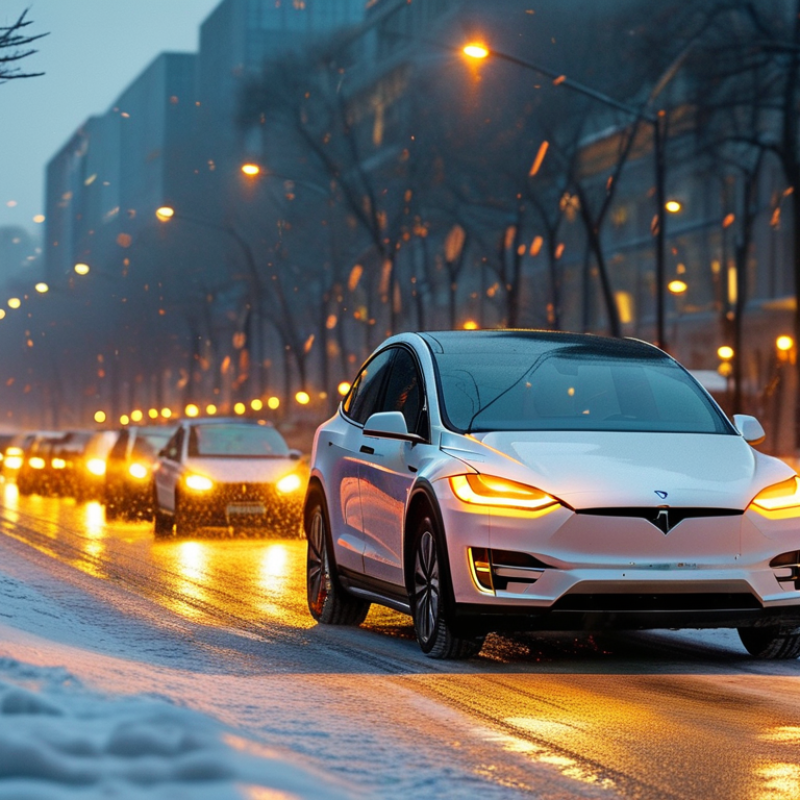
When winter hits, electric vehicle (EV) owners often notice a drop in range. Cold weather plays a significant role in battery efficiency.
Lithium-ion batteries, commonly used in EVs, struggle to perform in frigid temperatures. Their chemical reactions slow down, reducing the amount of energy generated.
This can lead to a range decrease of up to 40%.
Another factor is the increased use of heating. In cold weather, drivers frequently rely on cabin heating to stay comfortable.
This additional energy draw further drains the battery. Accessories like heated seats and steering wheels add to the demand as well.
The need for warmth can create a difficult balance between comfort and range.
Temperature fluctuations also affect charging speed. Batteries typically charge more slowly in colder conditions.
This can be frustrating for users who need quick top-ups. For those with older models, the issue may be even more pronounced.
Monitoring your battery’s state of charge becomes crucial during winter months.
Adjusting driving habits, like reducing speed and using energy-efficient modes, can help mitigate some of these effects.
Impact of Temperature on Electric Vehicle Performance
Winter brings unique challenges for electric vehicle (EV) owners. As temperatures drop, battery performance can decline significantly. Cold weather slows down the chemical reactions inside the battery. This can mean less energy available for driving. Many drivers notice their range decreases during these colder months.
Additionally, using the cabin heater consumes power, further reducing range. Many EV owners experience this firsthand. A defroster, heated seats, or steering wheel can sap energy quickly. Awareness of these impacts is crucial for effective planning while driving.
Charging also takes longer in winter. Cold batteries do not accept charge as efficiently. Owners may find that charging stations are less reliable in extreme temperatures. Monitoring your range becomes essential. It is important to adapt driving habits to winter conditions. Each step helps maintain performance while keeping warm inside the vehicle.
Top 10 Reasons Your Electric Car Loses Range in Winter
| Reason |
Impact on Range (%) |
Description |
| Cold Battery Temperature |
20-30% |
Battery performance significantly decreases in cold temperatures. |
| Heater Usage |
10-20% |
Using the cabin heater consumes a lot of energy, reducing overall range. |
| Tire Pressure |
5-15% |
Cold weather can lower tire pressure, causing increased rolling resistance. |
| Increased Use of Accessories |
5-10% |
Using defrosters, seat heaters, and other accessories increases energy consumption. |
| Drive Style |
5-20% |
Aggressive driving in winter conditions can reduce range significantly. |
| High Demand on Battery |
15-25% |
Cold weather can lead to higher energy demands from the battery. |
| Regenerative Braking Efficiency |
5-15% |
Regenerative braking systems are less effective in cold temperatures. |
| Increased Energy Needs for Snow and Ice |
10-15% |
Extra traction and energy are required for driving on snowy or icy roads. |
| Battery Aging |
5-10% |
Older batteries have reduced capacity, which is more pronounced in cold temps. |
| Overall Environmental Effects |
5-15% |
Weather conditions can affect vehicle performance and aerodynamics. |
Increased Use of Heating Systems and Its Effects on Range
As temperatures drop, electric car owners may experience a noticeable reduction in range. One major factor is the increased use of heating systems. When the cabin heater is on, it draws power directly from the battery. This can lead to a larger impact on range than many anticipate.
Heating the interior uses significant energy. For instance, using the heater may consume around 30% of the battery's capacity. This drop in range can surprise even seasoned electric vehicle drivers. Relying on seat warmers instead of the cabin heating can be a wise choice. It’s a more efficient way to stay warm while reducing energy use.
Another method to optimize range is preconditioning. Warming the car while it is still plugged in can save battery life. This way, the car uses power from the grid instead of the battery. Additionally, driving with heated seats can help maintain comfort without further draining the battery. Keeping tire pressure optimal is also essential, as cold weather can cause it to drop. Regular checks can prevent unnecessary power loss.
Regenerative Braking Performance in Winter Conditions
Regenerative braking is a key feature in electric vehicles, particularly during winter. However, its effectiveness can drop significantly in cold temperatures. According to industry reports, regenerative braking systems can experience a 20-30% decrease in efficiency when the temperature dips below freezing. This reduction can directly affect the range of your electric car.
In winter conditions, the battery's ability to recover energy during braking diminishes. Cold temperatures increase the internal resistance of the battery, limiting its capacity to store energy. Additionally, icy roads can lead to more cautious driving habits, which may impact how often drivers rely on regenerative braking. As a result, drivers may experience a noticeable dip in range.
**Tips:** Ensure your battery is fully charged before embarking on longer trips in cold weather. Keep your tires inflated to recommended levels, as this can improve overall efficiency. Regularly check your braking system, as any issues can further reduce regenerative capability. Remember, adapting your driving style can also make a difference, so be mindful of how you brake on slippery surfaces.
Top 10 Reasons Your Electric Car Loses Range in Winter
This chart illustrates the top reasons why electric cars experience a loss in range during winter conditions. Factors like reduced battery efficiency and increased energy consumption from cabin heating significantly contribute to the overall range decrease.
Tire Pressure and Its Role in Reducing Electric Car Range
Winter can be harsh on electric vehicles. One major issue is tire pressure. As temperatures drop, the air inside tires contracts. This can lead to lower pressure levels, making tires less efficient. A loss of tire pressure can reduce range by 10% or more. Drivers may notice their car consumes more energy than usual.
Keeping tires properly inflated is crucial. Check the pressure regularly, especially in winter months. Ideally, the recommended pressure should be maintained. Under-inflated tires create more rolling resistance. This means the car needs extra energy to move, impacting range negatively.
Moreover, many drivers overlook this detail. They might assume their car will handle the cold. This assumption can lead to regrets when the range dips significantly. A simple check can improve efficiency. Therefore, monitoring tire pressure is essential for electric car owners in winter. It’s a small task that can yield big returns in performance.
Conclusion
In winter, electric car owners often wonder, "Why does my electric car lose range in winter?" Several factors contribute to this phenomenon. First, cold weather significantly affects battery efficiency, causing reduced energy output and limiting the vehicle’s range. The lower temperatures also impair the performance of electric vehicles overall, leading to decreased acceleration and power.
Additionally, electric vehicles tend to rely more on heating systems in colder months, which consume battery power and further diminish range. Regenerative braking, a feature that helps recharge the battery while driving, can also be less effective in winter conditions. Furthermore, tire pressure tends to drop with lower temperatures, which can increase rolling resistance and negatively impact the vehicle’s energy efficiency. Understanding these factors can help drivers anticipate and manage range limitations during winter months.

 Emy Car