5 Tips for Safely Driving Your Electric Car Through Deep Water?

Time:2026-06-01 Author:Oliver
0%

Driving an electric car can be an exhilarating experience. However, challenges arise when it comes to navigating through deep water. Many electric vehicle owners wonder, "How to safely drive an electric car through deep water?" This question is critical, especially during heavy rains or floods. Understanding the risks can prevent serious damage to your vehicle and ensure your safety.

Deep water can affect electric cars differently than traditional vehicles. Water can enter the battery compartment, leading to shorts and failures. Moreover, electric cars often have low ground clearance, making them susceptible to flooding. Knowing how to respond in such situations is vital. Familiarizing yourself with your car's specifications will help you make informed decisions.

In this guide, we offer essential tips to navigate these tricky waters. Being prepared and informed is key to any journey. Making a few adjustments and knowing your limits can mean the difference between a safe ride and a troubling situation. Always keep in mind the unpredictability of water levels. Engage your critical thinking while driving, and don’t hesitate to turn back if conditions seem unsafe.
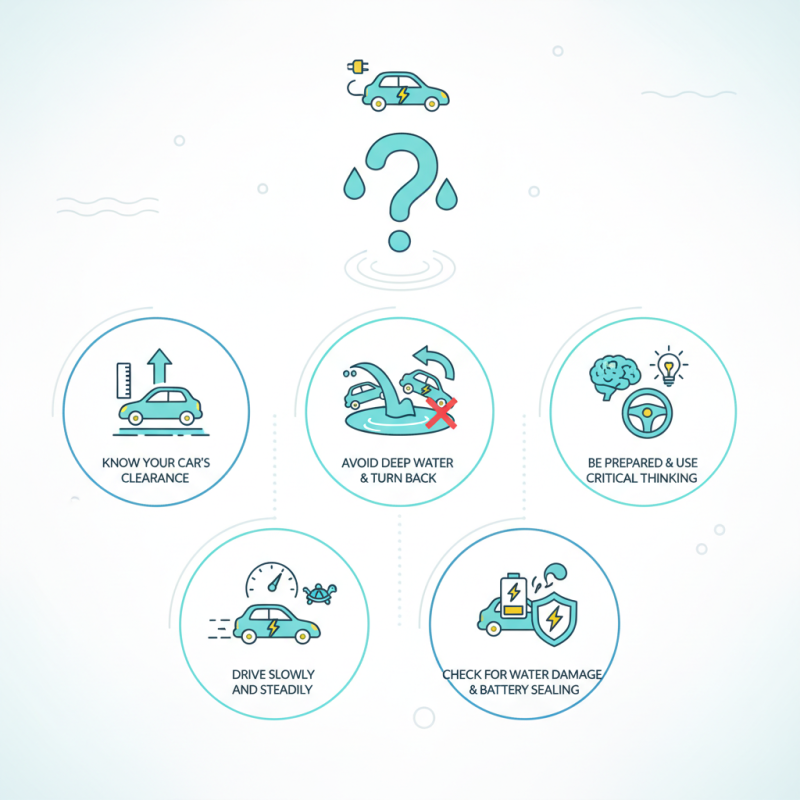
5 Tips for Safely Driving Your Electric Car Through Deep Water?

Understanding the Risks of Driving Electric Cars Through Deep Water

Driving an electric car through deep water can pose unique risks. Electric vehicles (EVs) have intricate electrical systems that may be compromised by water exposure. Water can short-circuit the battery, leading to malfunction or even fires. Many drivers underestimate how quickly water can rise and inundate their vehicles. Water depth can be tricky to gauge under murky conditions. Knowing the risks is crucial for safe travel.

Not all electric vehicles are designed to manage water exposure. While many cars have waterproof features, they are not invincible. The battery pack is often located on the underside. This placement increases the likelihood of water damage. Electric car owners need to be aware of their vehicle's specifications before navigating wet conditions. Educating yourself can mitigate potential disasters.

Consider the aftermath if your EV does encounter deep water. Recovery and repairs can be costly and time-consuming. You might face challenges with insurance claims, too. Keeping a respectful distance from flooded areas is a wise choice. Sometimes, the risks outweigh the benefits. Understanding the limitations of your vehicle is critical for ensuring safety.

Assessing Water Depth and Current Before Attempting to Drive Through

Driving an electric car through deep water can pose unique challenges. Before making such a decision, evaluating water depth and current is paramount. According to a study by the National Highway Traffic Safety Administration (NHTSA), nearly 60% of vehicle fatalities during extreme weather result from drowning in vehicles. Thus, assessing conditions is vital for safety.

When measuring water depth, use a stick or another reliable tool. A depth of just 12 inches can put most vehicles at risk. Furthermore, water current can create hidden dangers. If you observe rapid currents, avoid crossing altogether. The Insurance Institute for Highway Safety states that swift water can sweep away a vehicle in only a few feet. With these facts, it becomes clear that an informed approach can save lives.

In some areas, flash floods can rise unexpectedly. Always err on the side of caution, even in seemingly shallow water. Electric cars may have sealed batteries, but electronics can fail in extreme conditions. Recent reports suggest that more than 25% of electric vehicle owners experienced issues related to wet environments. Always consider local weather advisories before driving into unfamiliar territory.

Water Depth and Current Speed Assessment for Electric Cars

This bar chart represents the relationship between water depth and current speed. As the water depth increases, the current speed tends to rise, indicating a greater risk when driving through deeper water.

Preparing Your Electric Vehicle for Potential Water Exposure

Driving an electric vehicle through deep water requires careful preparation. Water exposure can impact crucial components. Even a brief immersion could lead to electrical issues or battery damage. Start by checking your vehicle's water resistance rating, which is sometimes specified in user manuals. If you plan to drive in areas prone to flooding or heavy rain, ensure your EV is equipped with protective features.

Before venturing into wet conditions, inspect seals around doors and windows. These seals can wear over time, making your car more vulnerable. Better seals prevent water from entering the cabin and affecting electronic systems. You may also want to consider aftermarket solutions that enhance waterproofing. Regular maintenance can make a significant difference in your vehicle’s performance in such conditions.

Keep emergency supplies in your vehicle. A flashlight, first aid kit, and basic tools are essential. They can be lifesavers in case of an unexpected situation. If you find yourself in too much water, do not attempt to push through. It's better to rethink your route. Staying safe is a priority. Planning ahead helps avoid dangerous conditions and keeps your electric vehicle running smoothly.

Safety Equipment and Precautions for Navigating Flooded Areas

Driving through flooded areas can be risky, especially in electric cars. Safety equipment is crucial. A waterproof flashlight can guide your way. A first-aid kit should always be on board. Additionally, having a portable charger for your phone ensures you stay connected in emergencies.

Before venturing into deep water, check your vehicle’s height clearance. Know the depth limits to avoid water entering crucial areas. It's wise to avoid sudden movements. Drive slowly to minimize water splashing. Be aware that even electric cars can face risks from water exposure. It’s best to rethink your route if heavy flooding is present.

Post-journey, inspect your vehicle thoroughly. Look for signs of water damage. If you encounter strange sounds or electrical issues, seek expert advice. Ignoring potential problems can lead to bigger issues later. Be prepared for the unexpected. Stay safe and make informed decisions when navigating flooded areas.

5 Tips for Safely Driving Your Electric Car Through Deep Water

Tips Description Precautions
1. Assess Water Depth Before entering flooded areas, check the water depth and clarity. Avoid driving through water that is deeper than your car's clearance.
2. Slow Down Drive at a slow, steady pace to maintain vehicle control. Do not accelerate quickly to prevent water intake into the engine.
3. Use High Ground If possible, navigate through areas with higher ground. Stick to marked roads and avoid submerged obstacles.
4. Turn on Hazard Lights Alert other drivers to your presence in low visibility conditions. Keep your lights on to improve visibility.
5. Aftermath Checks Inspect your vehicle for water damage post-travel. Have a professional check electrical and mechanical systems.

Steps to Take If Your Electric Car Becomes Immersed in Water

Driving an electric car through deep water can be risky. If your vehicle gets submerged, there are critical steps to follow. Firstly, remain calm. Panic can cloud your judgment. Use your phone only if it's safe; emergency services might need to be alerted.

Once inside the water, assess the situation. Electric vehicles (EVs) are designed with safety in mind. Modern EVs have features that help mitigate risks like short circuits. However, if water seeps into the cabin, think carefully before exiting. According to a study by the National Highway Traffic Safety Administration, the electrical systems in EVs minimize immediate dangers, but water exposure can affect the battery over time.

If your EV is fully immersed, roll down the windows. This action can help equalize pressure, making it easier to escape. Data shows that gaining access to air can significantly increase survival chances. Remember, electrical components may still pose a threat, so approach with caution. Always prioritize your safety and seek assistance when needed.

FAQS

: What should I do before driving through deep water?

: Assess the water depth and current. Use a stick to measure depth accurately.

How deep is water unsafe for vehicles?

Water depth exceeding 12 inches can be risky for most vehicles.

Why is it important to consider water current?

Rapid currents can sweep away vehicles. Avoid crossing if currents are swift.

How can flash floods affect driving decisions?

Flash floods can rise unexpectedly. Always prioritize caution, even with shallow water.

What preparations can I make for water exposure?

Check your vehicle’s water resistance rating. Ensure seals around doors and windows are intact.

What should I carry in my vehicle for emergencies?

Keep a flashlight, first aid kit, and basic tools to handle unexpected situations.

What should I do if my electric car gets submerged?

Stay calm. Use your phone safely to contact emergency services if needed.

How can I escape if my car is fully immersed?

Roll down the windows to equalize pressure and facilitate escape.

Are electric vehicles safe in water?

EVs have safety features but water can still damage electrical components over time.

Should I attempt to push through deep water?

No, rethink your route instead. Safety is always the top priority.

Conclusion

Driving an electric car through deep water can pose significant risks, and understanding these dangers is crucial for safety. To answer the question of how to safely drive an electric car through deep water, it's essential to first assess the water's depth and current before attempting to navigate through it. Proper preparation of your vehicle, such as checking for potential water exposure and ensuring all electrical components are protected, plays a vital role in mitigating risks.

Additionally, equipping yourself with safety gear and taking necessary precautions can greatly enhance your safety while traversing flooded areas. In the unfortunate event that your electric car becomes immersed, knowing the right steps to take can make a significant difference in outcomes. By following these guidelines, drivers can enhance their safety and that of their vehicles when faced with deep water challenges.

Oliver

Oliver

Oliver is a seasoned marketing professional with a wealth of expertise in driving brand awareness and engagement. With a deep understanding of our company's product offerings, he consistently delivers high-quality content that enriches our professional blog. His insights not only shed light on......