As the electric vehicle (EV) market continues to grow, many consumers are asking, "Is a used electric car worth it in 2026?" The rise of EV adoption is evident, with projections indicating that by 2026, over 30% of new car sales could be electric, according to the International Energy Agency. Used electric cars offer unique advantages that are worth considering.
The depreciation of electric vehicles typically happens faster than conventional cars. This creates an opportunity to purchase high-quality models at a lower price. For many buyers, cost savings are essential. Research indicates that used EVs can be as much as 30% cheaper than their new counterparts. These savings can be significant, especially as charging infrastructure continues to expand, improving long-term viability.
Moreover, technology in EVs is advancing rapidly, but many used models still offer impressive range and performance. Buyers can find vehicles with updated features for a fraction of their original costs. However, it's crucial to consider the battery health and warranty status. Less-than-perfect experiences with used EVs often stem from battery issues. Thus, careful inspection and research are vital to make an informed decision.
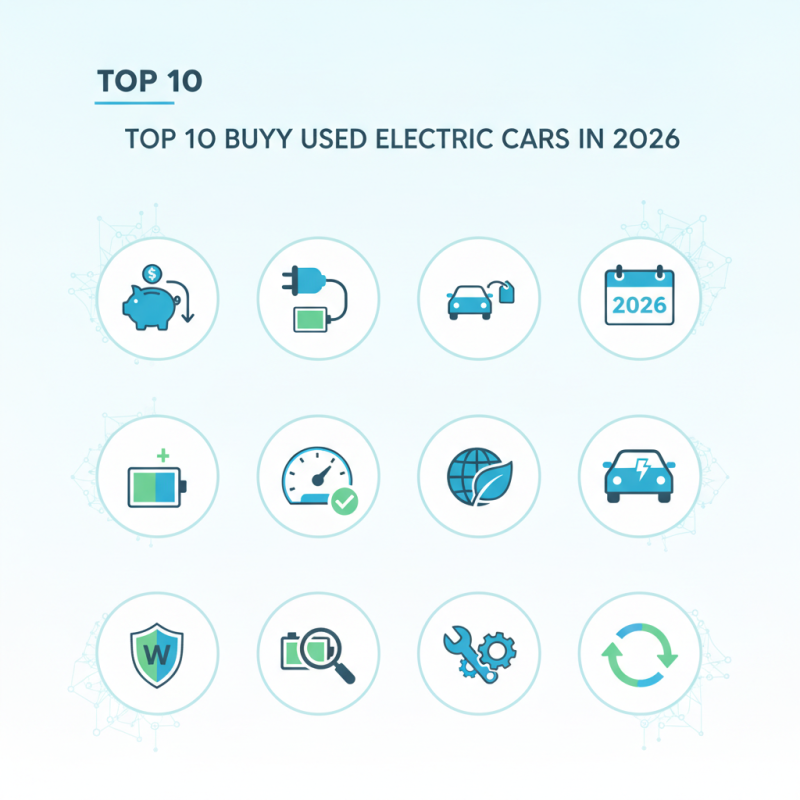
Benefits of Cost Savings with Used Electric Cars in 2026
In 2026, buying a used electric car offers significant cost savings. According to a recent industry report, used electric vehicles (EVs) can cost up to
30% less than their new counterparts. This difference translates directly into lower monthly payments, making EV ownership more accessible.
Repowering your ride with a used electric car also means savings on maintenance. EVs generally require less upkeep than traditional vehicles, as they have fewer moving parts.
A study from the Electric Vehicle Association revealed that maintenance costs for electric cars can be
50% lower over a five-year period compared to gasoline cars.
Tips:
Consider purchasing models from 2019 or later for better battery life and technology upgrades. Inspect battery health reports to gauge future performance.
Fuel costs for electric cars are typically lower too. The average cost of electricity per mile is about
half that of gas. The annual savings can contribute to a more stable financial situation.
It's important to note, though, that charging infrastructure still varies by region.
Tips:
Research available charging stations near your home or workplace. Look for local incentives or rebates for used EV purchases to maximize savings.
Environmental Advantages of Choosing Pre-Owned Electric Vehicles
Choosing a pre-owned electric vehicle (EV) offers significant environmental benefits.
Used electric cars have already gone through much of their carbon footprint associated with manufacturing.
This means driving a used EV contributes less to overall greenhouse gas emissions.
By opting for a vehicle that’s already in circulation, you help reduce the demand for new vehicle production, which can be incredibly resource-intensive.
Pre-owned electric cars often come with established battery cycles.
These vehicles may have served their original owners well, and their battery life can still support everyday driving needs.
This longevity illustrates the resilience and efficiency of EV technology.
However, it's essential to assess the battery condition before making a purchase. Not all used electric vehicles retain their performance.
Environmental consciousness is growing among consumers. Choosing a used electric car keeps more vehicles on the road, reducing waste in landfills.
With careful consideration, buyers can significantly lessen their carbon impact.
It’s not just about the vehicle; it’s about a lifestyle shift towards sustainability.
Technological Improvements in Used Electric Cars
In 2026, the landscape of used electric cars is expected to be more appealing than ever. Technological advancements in battery technology will significantly enhance their performance. Reports estimate that the energy density of lithium-ion batteries could increase by up to 30% by 2026. This means used electric vehicles (EVs) will offer longer ranges, making them more practical for daily commuting.
Moreover, improved software and charging infrastructure are set to revolutionize the user experience. Many used electric cars will be equipped with over-the-air updates, enhancing features and performance. By 2025, charging stations are projected to increase by 40%, providing better access for EV owners. This transition reflects a clear trend toward convenience. However, buyers should be aware of potential issues with battery health in used cars. Comprehensive inspections will be essential, as battery degradation can impact performance.
Additionally, market conditions will play a crucial role. In 2025, experts predict that the resale value of used EVs will stabilize, which might attract more buyers. However, as newer models come into play, outdated technology may become a drawback. Ensuring reliable data and performing due diligence is vital for making informed decisions. As the market evolves, understanding these technological advances and their implications will be key when considering used electric cars.
Top 10 Reasons to Buy a Used Electric Car in 2026
Availability of Incentives and Rebates for Used Electric Car Buyers
The market for used electric cars is showing exciting growth. In 2026, many buyers can take advantage of various incentives and rebates. The federal government offers a substantial tax credit for eligible used electric vehicles, potentially reducing costs by up to $4,000. This makes electric vehicles more attractive, especially for budget-conscious consumers.
State and local governments also provide incentives. Some regions offer additional rebates that can amount to several thousand dollars. For example, California's program sometimes matches federal rebates. These incentives can drastically reduce the purchase price, making a used electric car more accessible.
It is essential to note that not all buyers may qualify for these incentives. Certain eligibility criteria apply, which can lead to confusion. Additionally, varying state laws can impact the availability of these benefits. Therefore, potential buyers should research local programs carefully. Many consumers find navigating these options challenging, but a thorough understanding can maximize savings.
Enhanced Reliability and Longevity of Electric Vehicles in 2026
The reliability of electric vehicles (EVs) has significantly improved by 2026, making used models a smart choice. EVs are designed to last longer than traditional vehicles. Many older models showcase excellent battery durability, often exceeding expectations. Buyers can find used EVs with decades of life left in them.
Battery technology has made incredible strides. The majority of used EVs available now offer warranties that enhance buyer confidence. This increase in longevity translates to lower maintenance costs over time. Consumers can enjoy peace of mind knowing their vehicles can handle daily commutes with ease.
Still, it's crucial to inspect used electric cars thoroughly. Battery performance can vary widely among models, even within the same brand. Potential buyers should research individual cars and consult with qualified technicians. Not all used EVs retain their value equally. Understanding these nuances is vital before making a purchase. A detailed inspection is key to ensuring a sound investment.
Top 10 Reasons to Buy a Used Electric Car in 2026
| Reason |
Description |
Estimated Savings |
| Enhanced Reliability |
Used electric cars now have better technology and fewer maintenance issues compared to older models. |
$1,500 per year |
| Longer Battery Life |
Significant improvements in battery technology mean longer lifespans for electric car batteries. |
$2,000 over 5 years |
| Lower Carbon Footprint |
Used electric cars contribute less to carbon emissions than gasoline vehicles. |
Environmental benefits |
| Reduced Operating Costs |
Electric vehicles have lower fuel costs compared to traditional cars. |
$600 per year |
| Tax Incentives |
Potential tax credits available for used electric car purchases. |
Up to $1,000 |
| Improved Resale Value |
Electric vehicles retain value better than traditional vehicles. |
Higher resale by approx. 20% |
| Quieter Driving Experience |
Electric motors provide a quieter ride compared to combustion engines. |
Comfort benefits |
| Convenient Charging Options |
Increased availability of charging stations makes electric cars more convenient to own. |
Convenience value |
| Less Frequent Maintenance |
Fewer moving parts mean electric cars require less maintenance than gas cars. |
$500 per year |
| Enhanced Safety Features |
Many electric cars come with advanced safety features that were not available in older models. |
Peace of mind |
FAQS
: Many buyers can access federal, state, and local incentives. Federal tax credits may reduce costs by up to $4,000.
Some states offer additional rebates that can amount to several thousand dollars, making used electric cars more affordable.
No, eligibility criteria apply. Not everyone may qualify for available incentives or rebates.
Electric vehicles are now more reliable than ever and designed to last longer than traditional cars.
Advances in battery technology mean many used EVs come with warranties, boosting buyer confidence and reducing maintenance costs.
Buyers should inspect cars thoroughly and consult technicians. Battery performance can vary widely among models.
Not all used EVs retain their value equally. Understanding model differences is key before making a decision.
Thorough research is essential, as state laws vary. Buyers often find navigating these options challenging but vital for maximum savings.
Buyers may find the varying battery performance and condition confusing, which highlights the need for careful inspection.
Lower maintenance costs are a benefit, but thorough inspections are necessary to ensure long-term reliability and value.
Conclusion
In 2026, the question "Is a used electric car worth it?" gains prominence as more consumers recognize the numerous benefits associated with purchasing pre-owned electric vehicles. One significant advantage is the potential for substantial cost savings, as used electric cars often come at a fraction of the price of new models, while still offering impressive performance and features. Additionally, buyers can enjoy environmental benefits, contributing to reduced carbon footprints and promoting sustainable transportation practices.
Technological advancements have made used electric cars increasingly reliable, with improved longevity and durability, ensuring a worthwhile investment. Furthermore, numerous incentives and rebates are available to encourage the adoption of used electric vehicles, enhancing their appeal. As awareness grows around these advantages, opting for a pre-owned electric car in 2026 emerges as a smart and eco-friendly choice for budget-conscious consumers looking to make a positive impact.

 Emy Car