How to Lower High Electric Car Insurance Premiums?

Time:2026-10-12 Author:Amelia
0%

Electric vehicles promise quieter journeys, lower fuel costs, and fewer routine engine repairs. Insurance can feel like the unwelcome exception. Many drivers ask, “Why are electric car insurance premiums so high?” The answer is not simply battery replacement. Insurers also price expensive sensors, specialized labor, software calibration, and limited repair networks. A small parking-lot impact can leave a bumper, camera, radar unit, and charging system needing inspection.

Industry evidence supports this concern. CCC Intelligent Solutions’ Crash Course reports that electric-vehicle collision claims often involve higher repair complexity than comparable gasoline vehicles. Mitchell’s Plugged-In: EV Collision Insights also highlights additional calibration steps, parts availability challenges, and battery-related safety procedures. These factors can increase claim severity, even when crash frequency is not dramatically higher. The Highway Loss Data Institute has further examined how vehicle weight, acceleration, and driver behavior influence insurance losses. Its findings suggest that vehicle technology alone does not explain every premium difference.

The picture is not perfectly tidy. EV insurance varies sharply by model, location, driver history, deductible, and insurer. A premium quote for a Tesla may differ greatly from one for a Nissan Leaf. That deserves careful comparison, not guesswork. Drivers can often reduce costs by requesting multiple quotes, choosing higher deductibles responsibly, installing approved safety features, and selecting models with lower repair costs. Bundling policies may help, too. However, the cheapest policy is not always the safest choice. Coverage for original equipment, battery damage, roadside charging incidents, and rental transportation should be checked closely. This guide examines practical ways to lower high electric-car insurance premiums without quietly sacrificing essential protection.
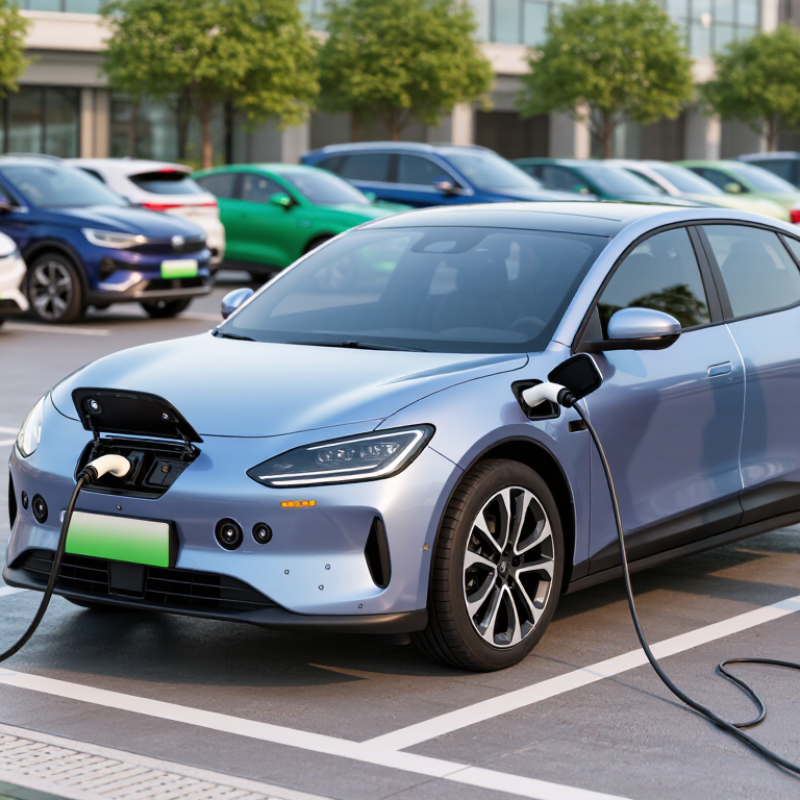
How to Lower High Electric Car Insurance Premiums?

Understanding Why Electric Car Insurance Premiums Are High

High electric car insurance premiums often begin with repair economics, not driver behavior. The battery is a large, integrated component beneath the floor. A minor crash can damage its casing, sensors, wiring, or cooling system. The International Energy Agency’s Global EV Outlook 2024 reported average battery-pack prices of about $139 per kilowatt-hour in 2023. Prices have fallen sharply, but replacement remains expensive. A 70-kilowatt-hour pack could still represent nearly $10,000 before labor and related parts.

Repair time also matters. Electric vehicles may require specialized diagnostics, high-voltage training, and approved safety procedures. Fewer qualified repair facilities can increase towing distances and claims duration. The Highway Loss Data Institute has found that insurance losses vary considerably by vehicle type, claim category, and repair cost. Its research does not support one simple “electric cars cost more to insure” rule. That detail is easy to miss.

Battery damage is not always visible. A vehicle may look drivable after a low-speed impact, while internal damage requires testing. Insurers may price for that uncertainty. Parts availability can add more pressure. In my view, this is where premium comparisons become imperfect: two electric cars with similar purchase prices may produce very different claims. Drivers seeking lower premiums should examine repairability ratings, deductible choices, annual mileage, and local insurer data, rather than relying only on the vehicle’s electric label.

Comparing Coverage Options and Insurance Providers

How to Lower High Electric Car Insurance Premiums?

Electric vehicle insurance often costs more because battery packs, sensors, and specialized repairs can raise claim severity. A 2024 Insurify analysis found that electric vehicle premiums averaged roughly 15% above comparable gasoline models. However, the gap varies by driver, location, model, and coverage selection. The National Association of Insurance Commissioners’ 2023 Auto Insurance Database Report also shows wide premium differences among states and driver profiles.

Compare coverage line by line, not only the monthly price. Liability coverage protects you after an at-fault crash, while collision coverage pays for damage to your vehicle. Comprehensive coverage includes theft, flooding, falling objects, and some battery-related risks. Ask whether the policy covers battery damage, charging equipment, towing distance, rental transportation, and original-equipment repairs. A higher deductible may reduce premiums, but it can create a painful bill after a minor accident.

Get quotes from several insurers using identical limits and deductibles. J.D. Power’s 2024 U.S. Auto Insurance Study found that customer satisfaction depends heavily on communication and claim handling, not price alone. Check complaint data from your state regulator, then review repair-network restrictions. Telematics programs may lower costs for careful drivers, though privacy trade-offs deserve attention. I would not choose the cheapest quote automatically. A low premium with weak rental coverage can become expensive when a battery inspection delays repairs for weeks. Personal driving history still matters most.

How to Lower High Electric Car Insurance Premiums? - Comparing Coverage Options and Insurance Providers

Comparison Dimension Coverage or Provider Option What It Typically Covers or Changes Cost-Saving Consideration
Liability limits State-minimum liability versus higher limits Pays for bodily injury and property damage caused to other people. State minimums are legally required but differ by jurisdiction. Compare the premium difference before reducing limits. Higher limits provide more financial protection and may be appropriate for drivers with significant assets.
Collision coverage Lower deductible versus higher deductible Helps pay to repair or replace the insured electric vehicle after a crash, subject to the policy deductible and vehicle value. A higher deductible generally lowers the premium, but the selected amount should be affordable after a covered loss.
Comprehensive coverage Keep, adjust deductible, or evaluate vehicle value Covers many non-collision events, such as theft, vandalism, hail, falling objects, and animal strikes, subject to policy terms. Compare the annual premium with the vehicle’s current value and choose a deductible that balances protection and affordability.
Electric-vehicle repair exposure Standard physical-damage coverage with EV-specific terms Repair costs can be affected by battery systems, high-voltage components, advanced driver-assistance sensors, specialized labor, and parts availability. Ask whether the policy addresses battery damage, charging equipment, original-equipment parts, and manufacturer-approved repair procedures.
Usage-based insurance Driving-behavior or mileage-based pricing A mobile app or device may assess factors such as mileage, braking, acceleration, time of day, or driving smoothness, depending on the program. Can benefit lower-mileage or safer drivers. Review data-collection rules, participation requirements, renewal terms, and whether poor scores can increase premiums.
Annual mileage Low-mileage, commuting, and full-use classifications Insurers commonly consider expected mileage and vehicle use when calculating risk. Report the actual annual mileage accurately and update the policy if commuting patterns, remote work, or vehicle use changes.
Bundling policies Auto-only versus auto plus home, renters, or other eligible policies Some insurers offer a multi-policy discount when qualifying policies are placed with the same provider. Compare the combined total cost, coverage, deductibles, and service quality rather than assuming bundling is always cheaper.
Driver profile Clean record, recent claims, violations, credit-based rating where permitted, and driver experience Insurers may use legally permitted rating factors to estimate the likelihood and potential cost of future claims. Maintain a clean record, correct rating errors, ask about accident-forgiveness eligibility, and compare quotes after major life or driving-history changes.
Provider comparison method Direct quotation, independent-agent quotation, and comparison-shopping platforms Different channels may provide access to different insurers, policy forms, discounts, underwriting rules, and claims-service arrangements. Request quotes using identical limits, deductibles, drivers, mileage, garaging address, and vehicle details so the prices are genuinely comparable.
Roadside assistance Basic roadside service versus EV-aware roadside service May include towing, jump-start assistance for auxiliary systems, flat-tire service, lockout service, or transport to a charging location, depending on the policy. Compare the relatively small added premium with service limits, towing distance, and whether specialized EV towing is available.
Rental reimbursement Include, limit, or remove rental-vehicle benefits Helps pay for temporary transportation when a covered loss leaves the vehicle unavailable, subject to daily and total limits. Choose limits based on local rental prices and realistic EV repair times; removing the benefit can reduce cost but increases out-of-pocket risk.

Note: Premiums depend on location, vehicle model and value, driving history, coverage limits, deductibles, annual mileage, claims history, and applicable regulations. Discounts and coverage features vary by insurer and jurisdiction; compare equivalent policies before making a change.

Using Discounts to Reduce Electric Car Insurance Costs

Electric car insurance can feel surprisingly expensive, even when you drive quietly through town. Discounts may reduce the pressure, but they work best when matched to your actual driving profile. Ask an insurance representative to review safe-driving, low-mileage, multi-policy, and secure-parking options. Some insurers also consider driver-assistance features, home-charging arrangements, or approved driving courses. Eligibility varies by location and underwriting rules, so request the requirements in writing. That small step prevents hopeful assumptions.

Keep records that support your application. A recent mileage reading, charging schedule, parking details, and course certificate can make the conversation clearer. If you rarely commute, a usage-based program might be worth comparing. Read how it measures acceleration, braking, time, and distance before enrolling. Privacy matters too. A lower quote is not automatically a better deal if coverage limits are weak or deductibles are uncomfortable. Compare identical protections, not just monthly prices.

Review discounts at renewal instead of accepting last year’s rate. Life changes quickly: a shorter commute, a cleaner driving record, or secured parking may affect eligibility. Ask whether discounts can be combined, because some cannot. I have seen drivers overlook small savings while chasing one dramatic reduction. That approach can waste time. Be realistic. Electric repairs, battery protection, and roadside assistance may still influence the final premium. Check those details carefully, and question unclear fees before signing.

How to Lower High Electric Car Insurance Premiums?

Using Discounts to Reduce Electric Car Insurance Costs

Common U.S. auto-insurance discount programs may reduce premiums by the approximate ranges shown above. Actual savings depend on the driver, location, vehicle, coverage, and insurer. Discounts usually cannot be added together as a simple total, so compare the final quoted premium rather than each discount separately.

Improving Driver Risk Factors and Vehicle Security

High electric car premiums often reflect two risks: driver behavior and vehicle security. Repair costs matter, but safer habits can strengthen your insurance profile.

The Insurance Institute for Highway Safety and Highway Loss Data Institute report that forward collision warning with automatic braking reduces rear-end crashes by about 50%. Use these systems, but do not treat them as a second driver. Keep a safe following distance, avoid sharp acceleration, and reduce late-night trips when possible.

Telematics programs may measure mileage, hard braking, rapid cornering, and phone distraction. A clean record helps, too. One harsh stop can feel insignificant. Repeated events tell a different story.

Ask your insurer which behaviors affect pricing before accepting data monitoring. Privacy concerns deserve attention, and not every program offers equal value. That part is easy to overlook.

Vehicle security also needs practical attention. The National Insurance Crime Bureau recorded 1,020,729 vehicle thefts in the United States during 2023. Park in a well-lit area, lock the car manually, and keep software updated. Store charging equipment securely, especially in shared parking spaces.

CCC’s 2024 Crash Course identifies calibration work and battery-related procedures as important EV repair-cost factors. A minor collision may require more than a replacement panel. Photograph the vehicle after repairs and confirm sensor checks were completed. Cheaper coverage is not always better coverage.

Reviewing and Adjusting Your Policy Over Time

How to Lower High Electric Car Insurance Premiums?

Reviewing your policy at renewal can reveal costs that quietly increased. The National Association of Insurance Commissioners reported average U.S. auto insurance expenditure of $1,438 in 2022. Your electric car may cost more to insure because battery repairs require specialized labor and parts. However, an expensive premium is not always unavoidable.

Request a fresh quote before each renewal. Compare liability limits, collision coverage, comprehensive coverage, and deductibles. The Insurance Information Institute notes that higher deductibles generally reduce premiums. Test the difference carefully. A $1,500 deductible may lower your bill, but it can strain your emergency fund after a claim. I once focused only on the monthly price. That was a mistake. The cheaper policy had weaker rental-car protection and a larger out-of-pocket cost.

Review your annual mileage, parking location, commuting pattern, and driver information. The National Association of Insurance Commissioners advises consumers to check policy details and compare insurers because pricing factors differ widely. The Highway Loss Data Institute has also reported that electric vehicles can show different claim patterns from gasoline vehicles, depending on model and use. Do not assume every electric car receives the same rate. Ask whether usage-based pricing fits your driving habits. Check the recorded mileage, too. A small data error can remain unnoticed for months. Reconsider optional coverage when the vehicle ages, but never remove protection without checking loan requirements and repair risks.

FAQS

Why can electric car insurance cost more than gasoline car insurance?

Battery packs, sensors, and specialized repairs can increase claim costs. Premiums may average about 15% higher. The difference varies by driver, location, vehicle, and coverage.

Which coverage options should electric car owners compare?

Liability coverage helps after an at-fault crash. Collision coverage pays for damage to your vehicle. Comprehensive coverage may include theft, flooding, falling objects, and some battery risks. Compare limits line by line.

Does insurance usually cover battery damage and charging equipment?

Ask directly about battery damage, home chargers, cables, and towing. Coverage differs between policies. Do not assume. Request the answer in writing.

Can a higher deductible lower electric car insurance premiums?

Yes, a higher deductible may reduce the premium. However, you could face a large repair bill after a small crash. Check whether your emergency savings can cover it comfortably.

How should drivers compare insurance quotes?

Request several quotes using identical limits and deductibles. Compare rental transportation, towing distance, repair networks, and battery inspections. A cheap quote may offer weak rental coverage. That can hurt during a long repair delay.

Which discounts may reduce electric car insurance costs?

Ask about safe-driving, low-mileage, multi-policy, and secure-parking discounts. Driver-assistance features or approved courses may also matter. Eligibility depends on location and underwriting rules. Get requirements in writing.

Are usage-based insurance programs useful for low-mileage drivers?

They may help people who drive short distances or rarely commute. Before enrolling, check how the program measures braking, acceleration, time, and distance. Privacy trade-offs deserve attention. Lower cost is not everything.

What records can support an insurance discount request?

Keep a recent mileage reading, charging schedule, parking details, and course certificate. These details make eligibility easier to review. Still, paperwork does not guarantee approval. I might overestimate one discount sometimes.

When should electric car insurance discounts be reviewed?

Review them at every renewal. A shorter commute, cleaner driving record, or secured parking may change eligibility. Ask whether discounts can be combined. Some cannot. Small savings still matter, but not at any cost.

Conclusion

Electric car insurance premiums can be higher because these vehicles often have advanced technology, expensive batteries, specialized repairs, and fewer repair options. Why are electric car insurance premiums so high? Insurers may also consider replacement costs, battery damage, vehicle performance, and limited claims history when calculating risk. Understanding these factors can help drivers make more informed decisions rather than simply choosing the cheapest policy.

To lower costs, compare coverage limits, deductibles, exclusions, and quotes from several insurance providers. Look for available discounts related to safe driving, low mileage, multiple policies, vehicle security features, or responsible payment history. Improving your driving record, reducing distractions, parking securely, and using approved safety systems may also reduce perceived risk. Finally, review your policy regularly as your vehicle’s value, driving habits, and coverage needs change. Adjusting optional protection and deductibles carefully can help control premiums while preserving suitable financial protection.

Amelia

Amelia

Amelia is a seasoned marketing professional with a wealth of expertise in our company’s core offerings. With an unwavering passion for driving growth and innovation, she plays a pivotal role in shaping our marketing strategies and enhancing brand visibility. A key aspect of her responsibilities......