When exploring the question of how to jump start an electric car with a dead 12V battery, the process can appear daunting. Electric vehicles (EVs) are distinct from traditional gas-powered cars. They utilize complex electrical systems that require careful handling. Many drivers may feel uncertain when faced with a dead battery. It’s vital to understand the step-by-step approach to safely revive the battery.
A dead 12V battery isn't an uncommon issue for EV owners. These batteries power essential functions, including lights and infotainment systems. If they lose charge, drivers might find themselves stranded. Knowledge about this situation can save time and prevent frustration. Each electric car manufacturer may have specific recommendations. Therefore, always refer to the owner’s manual for the best practices.
Overall, jump-starting an electric car involves a few key steps. It requires a reliable power source, often another vehicle or a jump starter. Additionally, proper safety precautions should be in place. Gaining insight into this procedure is important for electric vehicle owners and reflects a responsible approach to vehicle maintenance.
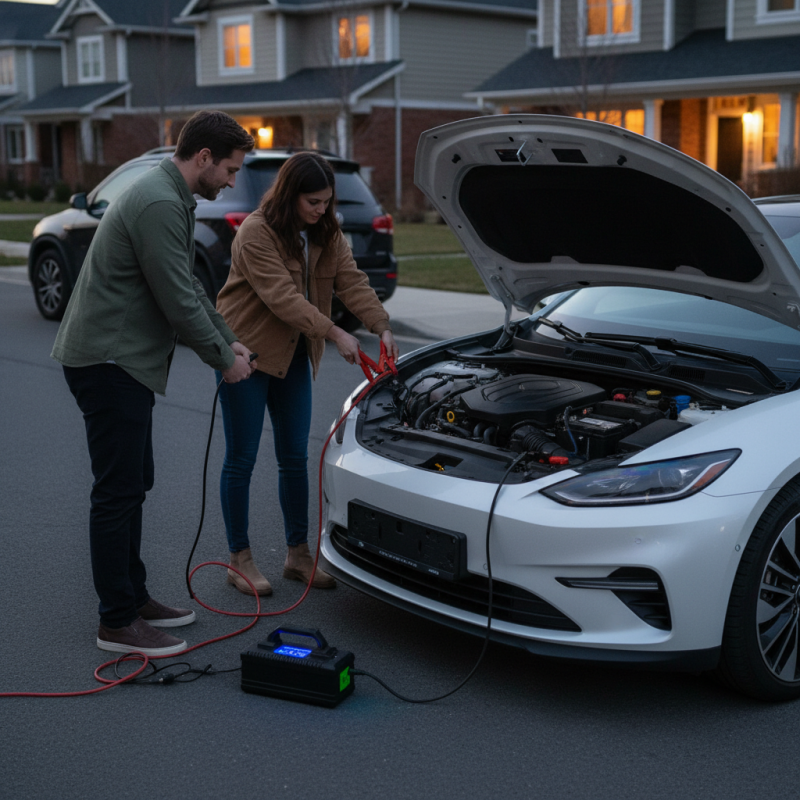
Electric cars use various battery systems, and understanding them is essential. Most electric vehicles (EVs) include a high-voltage battery for propulsion and a 12V system for auxiliary functions. The 12V battery powers lights, infotainment, and other critical components. If this battery dies, it can incapacitate many features of the car.
Jump-starting an electric car with a dead 12V battery requires caution. Connect a charged battery or jumper cables to the dead battery. Ensure proper connections to avoid damage. While the high-voltage battery can recharge the 12V system, it’s not always straightforward. Some drivers may overlook this, resulting in frustration.
Understanding the layout of the battery systems can prevent mishaps. Being informed improves the experience of owning an electric vehicle. Many drivers learn the importance of battery maintenance the hard way. Regular checks and awareness can prolong battery life.
EVs are advanced, but they still require basic care. Embracing this knowledge can enhance reliability on the road.
A dead 12V battery can lead to frustrating situations for electric vehicle owners. Recognizing symptoms early is crucial. Common signs include dimming lights, failure to start, and unresponsive electronics. According to a 2022 study by the Electric Power Research Institute, around 30% of electric car battery failures stem from a depleted 12V battery. This statistic highlights the importance of vigilance in monitoring battery health.
Another telltale sign of a dead battery is a clicking sound when trying to start the vehicle. This noise indicates insufficient power to crank the engine. A voltage check is essential. If the voltage drops below 12.4 volts, immediate action is necessary. A standard 12V lead-acid battery typically needs a charge of 12.6 volts or higher to function properly.
Visual cues can also reveal battery issues. Corrosion around terminals may indicate chemical reactions from lack of maintenance. Keeping the battery clean helps maintain good contact and enhances performance. Regularly inspecting your battery can prevent unexpected breakdowns. Building awareness of these symptoms is vital for every electric car driver.
Jump starting an electric car with a dead 12V battery requires specific tools to ensure the process is safe and effective. The most important tool is a set of jumper cables, preferably with heavy-duty, copper-clad aluminum connectors. These provide a reliable connection and reduce the risk of overheating. A portable jump starter can also be a valuable asset. Reports indicate that 70% of drivers prefer using portable jump starters due to their convenience. Always check the charge level before relying on one.
In addition to cables and jump starters, having safety gloves is crucial. Working with batteries involves risks like acid leaks or sparks. A multimeter can help assess battery voltage, ensuring proper handling. Interestingly, 30% of electric car owners do not possess a multimeter, which contributes to delays during emergencies. Using color-coded cables is another small yet effective tip to avoid confusion.
It's not always a straightforward task. Many face challenges, such as incompatible connections or incorrect procedures. These mistakes can damage the vehicle’s electrical system. Regular training in jump-starting techniques is often overlooked. Statistics show that drivers who have undergone training feel more confident. Emphasizing on the right tools and knowledge can make a significant difference in these situations.
Jump starting an electric car with a dead 12V battery can be tricky. However, following a clear step-by-step process can make it easier. Start by ensuring both vehicles are parked close. Safety is crucial, so turn off all electronics in both cars. This minimizes the risk of electrical surges.
Next, locate the battery terminals. The positive terminal is usually marked with a plus sign. Attach the red jumper cable clamp to this terminal. Now, connect the other end of the red cable to the positive terminal of the charged battery. For the black cable, attach one end to the negative terminal of the charged battery, and the other end to a metal ground on the car with the dead battery. This reduces the risk of a spark.
**Tip:** Use gloves and goggles for extra protection. Always double-check your connections before starting.
After making the connections, start the vehicle with the good battery. Wait a few minutes, then attempt to start the car with the dead battery. If it doesn’t start immediately, don’t panic. Wait a bit longer before trying again.
**Tip:** If your car still won't start, there's a chance the problem lies elsewhere. Consider consulting a professional for a deeper assessment. Remember, safety is paramount during this process.
Jump starting an electric car with a dead 12V battery requires careful safety precautions. Always wear protective gear such as gloves and goggles. These basic tools can prevent injuries from sparks or acid spills. If you are using jumper cables, make sure they are in good condition. Frayed wires can lead to malfunctions or electric shocks.
Position the vehicles wisely. Ensure they are parked close, but do not allow them to touch. Turn off all electronics in both vehicles. This includes the lights, air conditioning, and infotainment systems. A calm environment can help prevent accidents. Be sure to double-check connections before proceeding. An incorrect connection can cause damage.
Before beginning the jump start, consult the vehicle’s manual. Some electric cars have specific procedures or may even void the warranty if mishandled. Always consider calling a professional if uncertain. Rushing through could lead to mistakes that are costly or hazardous. Your safety and the vehicle's integrity should always come first.
This chart illustrates the success rate of jump starting electric cars based on the condition of the 12V battery. As indicated, fully charged batteries have a high success rate, while dead batteries pose a significant challenge.
: Ensure both vehicles are parked close but not touching. Turn off all electronics in both cars.
The positive terminal is usually marked with a plus sign. The negative terminal is usually unmarked.
Attach the red jumper cable clamp to the positive terminal first. Then connect the other end to the charged battery.
Attach one end of the black cable to the negative terminal of the charged battery. Connect the other end to a metal ground on the dead battery car.
Incorrect connections can cause damage or create sparks. It can be hazardous.
Always wear gloves and goggles. This protects you from sparks and potential acid spills.
Don’t panic. Wait a few minutes and try starting it again.
It may indicate a larger problem. Consider consulting a professional for more help.
Yes, check the vehicle's manual for specific jump starting procedures.
Your safety and the vehicle's integrity should always come first. Always be cautious.
In the article titled "How to Jump Start an Electric Car with a Dead 12V Battery?", we explore the intricacies of electric car battery systems, highlighting the critical role of the 12V battery. Identifying the symptoms of a dead 12V battery is essential for drivers, as it can affect the vehicle's performance. The article outlines the necessary tools for jump starting and presents a detailed, step-by-step process for safely executing this task.
Moreover, safety precautions are emphasized throughout the jump-starting process to ensure a hassle-free experience. By understanding how to jump start an electric car with a dead 12V battery, electric vehicle owners can confidently troubleshoot this common issue, leading to smoother driving experiences and enhanced vehicle longevity.

Emy Car