Electric vehicles (EVs) are rapidly gaining popularity. However, many users wonder, "Why does EV charging speed drop after 80 percent?" This phenomenon can be puzzling for new EV owners, as charging slows significantly during the final stages. Understanding this slowdown is essential for effective EV usage.
A study from the International Energy Agency reveals that nearly 15% of global car sales were electric in 2021. As EVs become mainstream, addressing charging efficiency is vital. Typically, charging happens quickly up to 80 percent capacity. After this point, charging can take significantly longer, often extending to an hour or more. Industry experts attribute this to battery chemistry. Lithium-ion batteries, like those in most EVs, implement a strategy to preserve longevity.
Manufacturers limit charging speed to manage heat and prevent degradation. Reports indicate that charging rates can drop by as much as 50% after 80 percent. This strategy reflects a balance between speed and battery health. While it may frustrate some users, it's essential for sustainable EV ownership. Understanding charging behaviors not only helps in planning long trips but also promotes a better relationship with your vehicle.
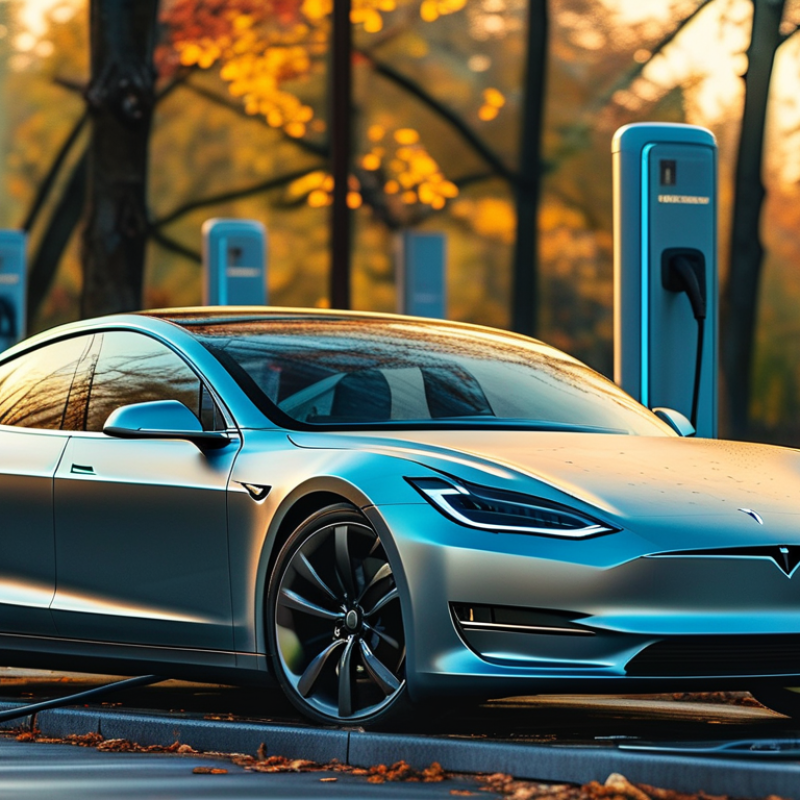
Electric vehicle (EV) charging is a complex process influenced by several factors. When charging an EV, you'll notice that the speed decreases markedly after reaching around 80 percent of its battery capacity. This phenomenon is primarily due to the battery management systems designed to prolong battery health and efficiency. For instance, studies indicate that batteries charge at a faster rate initially, but as they approach their capacity limits, the charging current is reduced to prevent overheating and maintain battery longevity.
Most lithium-ion batteries operate on a principle known as constant current and constant voltage (CC-CV) charging. Initially, the battery draws a steady current until it reaches around 80 percent capacity. After this point, a constant voltage is applied, and the current decreases significantly. Reports by industry experts suggest that keeping a battery between 20 to 80 percent can extend its lifespan significantly. This emphasizes the importance of avoiding a full charge whenever possible.
Tips: To maximize battery health, charge your EV only to 80 percent for daily use. If you're planning a long trip, a full charge makes sense. Regularly update your charger software as manufacturers often release enhancements that improve efficiency. Consider using fast chargers sparingly since they can introduce more wear.
Electric vehicles (EVs) are designed with a specific charging curve. This curve indicates how they manage battery power during charging. Initially, the charging rate is fast, allowing for a quick boost in battery capacity. However, as the battery approaches 80 percent charge, the rate starts to slow down significantly. This is a protective measure for the battery, ensuring longevity and optimal performance.
Battery chemistry plays a crucial role in this process. Lithium-ion batteries, common in EVs, can generate heat when charged at high rates. Slowing down charging helps dissipate this heat, reducing the risk of damage. It's often surprising to see a drastic reduction in charging speed after hitting that 80 percent mark.
Tips for EV Owners: Always plan for longer charging times as you approach full capacity. Consider using public charging stations for faster top-ups during longer trips. Regularly check your battery health and charging habits to maximize efficiency. Remember, charging slowly can extend your battery's lifespan.
Monitoring your charging habits can also lead to better efficiency. If you often find yourself charging above 80 percent daily, it may be time to reassess your routine. Keeping the battery between 20 to 80 percent is optimal for many EV users.
When charging electric vehicles (EVs), drivers often notice that the speed slows considerably after reaching 80% capacity. This phenomenon can be attributed to two primary principles of battery technology: battery chemistry and thermal management.
Lithium-ion batteries, commonly used in EVs, employ a charge curve that optimizes longevity. As the battery approaches full capacity, the charging current is reduced to prevent overheating and prolong the battery life. According to industry reports, charging rates can drop to as low as 10% of the maximum capacity after reaching that 80% mark. This hefty drop is essential to avoid damaging the battery, which may otherwise lead to accelerated degradation over time.
Thermal management also plays a crucial role. Batteries generate heat during charging, particularly at higher capacities. To combat this, manufacturers implement cooling systems that limit charge rates. A study by the International Energy Agency noted that efficient thermal management can improve battery lifespan significantly—by up to 30%—but not without sacrificing charging speed. Thus, this slower charging is a trade-off for optimal battery health and sustainability. Understanding these aspects helps users align their charging habits with battery maintenance, ensuring reliable performance over time.
| Charging Level (%) | Charging Speed (kW) | Typical Time to Charge (Minutes) | Reasons for Slowdown |
|---|---|---|---|
| 0 - 20 | 40 | 30 | Rapid charging, battery chemistry optimization |
| 20 - 50 | 30 | 40 | Optimal temperature ranges, efficient energy transfer |
| 50 - 80 | 20 | 60 | Balancing charge, battery maintenance |
| 80 - 100 | 10 | 120 | Battery protection against overcharging |
Charging an electric vehicle (EV) can be frustrating, especially after reaching 80 percent capacity. The slowdown in charging speed can largely be attributed to battery chemistry. Lithium-ion batteries, commonly used in EVs, undergo varying charge rates throughout their cycle. The first phase is rapid, but as the battery approaches full capacity, charging slows significantly to preserve battery health.
Data indicates that charging rates drop significantly after 80 percent. This is due to the battery's electrode chemistry responding to voltage fluctuations. The charging strategy aims to prevent overheating and maintain longevity, which is crucial for battery performance. Studies show that fast-charging stations can typically reach 80 percent full in about 30 minutes, but the final 20 percent may take an additional hour or more.
Tip: Avoid charging to 100 percent unless necessary. Targeting 80-90 percent is often best for battery health.
Another consideration is the importance of temperature. Lithium-ion batteries perform best within a specific range. Cold weather can hinder charging speed. Conversely, extreme heat can accelerate battery degradation.
Tip: Monitor your EV's temperature during charging. It can help maintain efficiency and battery life.
Understanding these factors can help users optimize their charging routines while aligning with best practices for battery health.
The chart illustrates the charging speed of electric vehicle (EV) batteries at various states of charge. As the battery fills, the charging speed decreases, particularly after reaching 80% capacity due to the inherent characteristics of lithium-ion battery chemistry.
Charging an electric vehicle (EV) is a meticulous process. After reaching around 80% of its full capacity, charging tends to slow down. This phenomenon relates closely to battery health and charge efficiency. As batteries charge, chemical reactions occur within them. These reactions need time to stabilize, ensuring longevity.
At lower charge levels, the lithium ions can move quickly, allowing faster charging. However, as the battery approaches its full capacity, the risks increase. Overcharging can lead to degradation, reducing battery life. Manufacturers implement slower charging rates beyond 80% to mitigate this risk. It’s a compromise, balancing speed versus health.
Understanding this dynamic is crucial for EV owners. It encourages mindful charging habits. Drivers may feel frustrated that their vehicle doesn't charge quickly after a certain point. It's essential to remember that this design protects the overall performance of the battery. Charging stations may also need to adapt their infrastructure to address user concerns about charging efficiency. Thus, this adjustment represents an ongoing dialogue in the world of electric mobility.
: The charging curve shows how EVs manage battery power during charging. It experiences fast rates initially and slows down after 80 percent.
The slowdown protects the battery, ensuring its longevity and optimal performance by managing heat and chemical reactions effectively.
Lithium-ion batteries can generate heat at high charging rates. Slowing down prevents damage and maintains battery health during charging.
Owners should plan for longer charging times as they near full capacity. Public charging stations offer quicker top-ups for long trips.
Regularly charging above 80 percent might necessitate a change in routine. Keeping the battery between 20 to 80 percent enhances battery health.
Mindful charging prevents overcharging, which can degrade battery life. Users might feel frustrated, but it's for the battery's protection.
As the battery charges, chemical reactions occur. These reactions stabilize over time, ensuring that the battery remains functional and efficient.
Charging stations may need updates to address the frustration of slow charging speeds after 80 percent. This is part of ongoing discussions in electric mobility.
Yes, manufacturers slow charging rates past 80 percent to balance quick charging with the need for protecting battery life and health.
Electric vehicle (EV) charging dynamics reveal interesting patterns, particularly regarding why charging speeds taper off after reaching about 80 percent capacity. This phenomenon, often summarized in the question "Why does EV charging speed drop after 80 percent?", can be attributed to the charging curve of EVs, which is designed to optimize battery health and longevity. As the battery approaches its maximum charge, the charging system reduces the power flow to prevent overheating and chemical degradation within the battery cells.
Additionally, the chemistry of the battery plays a crucial role in this process. Lithium-ion batteries, commonly used in EVs, exhibit reduced charging efficiency as they near full capacity due to internal resistance and the electrochemical processes involved. By balancing the need for fast charging with the necessity of preserving battery health, manufacturers ensure that EVs maintain optimal performance over their lifespan, thus providing a sustainable approach to electric mobility.

Emy Car