Electric vehicles (EVs) have gained popularity due to their environmental benefits. Yet, many new users often wonder, "Why is there no noise when I start my electric car?" This silence can be surprising for those accustomed to traditional internal combustion engines. The absence of a roaring engine creates a unique driving experience.
Electric cars rely on electric motors, which operate silently. Unlike gas engines, they lack complex mechanical parts that produce sound. While this is an advantage for reducing noise pollution, it can also be unsettling for drivers expecting more auditory feedback. Some might even feel disconnected from the vehicle. This silence represents a shift in how we perceive driving.
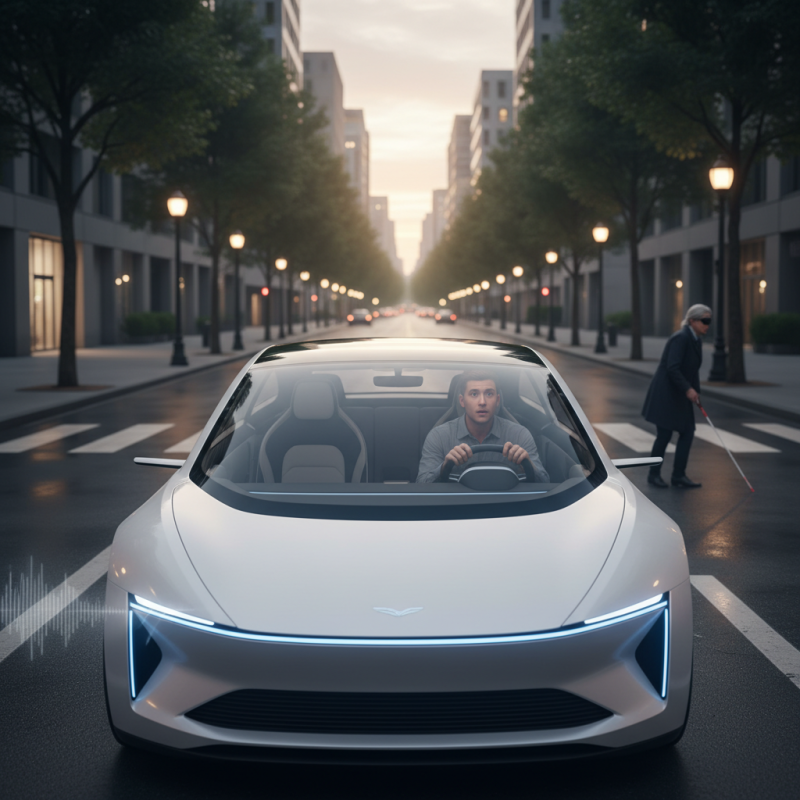
However, the quietness of an electric car raises safety concerns. Pedestrians, especially those with visual impairments, may find it difficult to hear approaching EVs. Regulations are emerging to address this issue, emphasizing an audible alert system. This balance between innovation and safety remains a critical aspect of electric vehicle development. Understanding these elements can enhance your appreciation of EV technology and its impact on everyday life.
Reasons Behind Electric Cars' Silent Startup Mechanism
Electric cars have gained popularity for their eco-friendliness and efficiency. One notable feature is their silent startup mechanism. Unlike traditional vehicles, electric cars use electric motors, which operate quietly. This is a key aspect of their design, providing a smooth and peaceful driving experience.
The quiet startup is due to the lack of a combustion engine. In electric cars, there are no pistons moving or fuel igniting. Instead, the electric motor activates with minimal noise. Some may find this silence strange, especially if they are used to the rumble of a gasoline engine. It can feel unsettling to start a car without the familiar sounds.
This quiet ambiance can be both an advantage and a disadvantage. On one hand, it enhances the driving experience. On the other hand, it raises safety concerns for pedestrians. Sound alarms can be added to alert those nearby. Overall, the silent startup of electric cars reflects their innovative design but also invites conversations about safety and user experience.
Comparison of Electric and Internal Combustion Engine Startup Sounds
Electric vehicles (EVs) are known for their
near-silent operation, even at startup.
This is a stark contrast to internal combustion engine (ICE) vehicles, which emit a noticeable
roar and rumble. According to a report by the National Highway Traffic Safety Administration (NHTSA),
this quietness in EVs is primarily due to the absence of a traditional engine and exhaust system.
The NHTSA notes that electric motors operate more efficiently without the need for complex mechanisms
found in ICE vehicles. This means that they can start and run without the clattering sound associated
with gasoline or diesel engines. As EV technology improves, noise pollution from vehicles is expected
to decrease, creating a quieter urban environment. However, the silence can present
challenges for pedestrian awareness, prompting ongoing discussions about alert systems for EVs in motion.
Tip: If you're considering switching to an electric car, be prepared for the quiet experience.
You might miss the familiar sounds of your old vehicle. It's essential to stay aware of your surroundings,
especially in busy areas.
Some drivers may find the silent startup unsettling at first. It feels different, even strange. This shift
represents a significant change in how we perceive vehicles. As consumer acceptance grows, the advantages
of
sustainability and reduced noise pollution take center stage.
Balancing these new experiences with established norms will be crucial as EVs become more popular.
Impact of Noise Regulations on Electric Vehicle Designs
The rise of electric vehicles (EVs) has transformed the automotive landscape. One notable aspect of these vehicles is their almost silent startup. This quiet operation isn’t just a design choice; it is heavily influenced by noise regulations. These regulations aim to reduce noise pollution in urban environments, making cities more pleasant for residents.
In many places, laws require electric cars to emit sound at low speeds. This is to ensure pedestrian safety. Quiet vehicles can pose risks for those who rely on sound for awareness, like visually impaired individuals. Consequently, manufacturers are integrating artificial sounds into their designs, balancing compliance with a calming experience. Yet, not all sounds are created equal.
The challenge lies in finding a pleasing sound that doesn't disrupt the peace. Some sounds can feel artificial or even annoying, prompting discussions on what is acceptable. As regulations evolve, so will the designs of electric vehicles, pushing manufacturers to rethink sound in their engineering. This ongoing adjustment process highlights the complex relationship between technology, safety, and environmental concerns.
Technical Explanation: Electric Motors and Their Noise Output
Electric motors are the heart of electric vehicles (EVs). Unlike internal combustion engines, they produce far less noise. According to the U.S. Department of Transportation, EVs can operate at noise levels as low as 30 decibels. This is quieter than a whisper, contributing to the serene driving experience.
While this silence can be a blessing for drivers who seek a peaceful ride, it raises concerns about safety. Pedestrians might not hear approaching EVs. The National Highway Traffic Safety Administration (NHTSA) reported that the risk of accidents increases for silent vehicles. To address this, many regions now require electric cars to emit sounds at low speeds.
Tip: If you often drive in quiet areas, consider using your vehicle's external sound options. This can enhance safety for pedestrians, especially in urban environments.
It’s essential to recognize that not all EVs are entirely silent. The load on the motor, speed, and other factors can create different noise outputs. Also, external noises from tires and traffic may still be present. Manufacturers are balancing the need for silence with safety requirements. Conducting further research into noise regulations is crucial for the future development of electric vehicles.
Electric Car Noise Levels at Startup
This chart illustrates the noise output of electric cars when starting up at various RPM levels. As shown, the noise levels increase with RPM but remain significantly lower than traditional internal combustion engines.
User Experience: Perceptions and Reactions to Silent Electric Cars
The silence of electric cars at startup elicits mixed reactions from users. Many appreciate the quietness, linking it to a serene driving experience. However, some express discomfort, feeling uneasy without the familiar engine rumble. A study from the National Highway Traffic Safety Administration noted that 70% of pedestrians, particularly visually impaired individuals, find silent vehicles challenging to detect. This raises concerns about safety and awareness on the roads.
Moreover, a report by the International Council on Clean Transportation highlighted that user experiences vary greatly. While 45% of electric vehicle (EV) owners enjoy the seamlessness of electric motors, 30% miss the auditory feedback traditional engines provide. Some drivers have suggested adding sound to alert pedestrians without detracting from the driving experience. The discussion around sound design for electric cars reveals a complex relationship between silence and user comfort.
As manufacturers advance in technology, they must balance quietness with safety. There's a growing recognition that while silent startup is thrilling, it also requires thoughtful consideration. User preferences are important, but so are safety protocols. Addressing these concerns can enhance the overall experience and offer a solution to current discomfort. The conversation around electric vehicle sounds is multifaceted and reflects broader societal norms.
FAQS
: Electric vehicles operate silently because they lack traditional engines and exhaust systems.
Yes, many places require electric vehicles to emit sound at low speeds for safety.
Yes, regulations aim to reduce noise pollution while ensuring pedestrian safety, especially for those visually impaired.
Finding a pleasing sound can be hard. Some artificial sounds may feel annoying or disruptive.
Pedestrians may struggle to hear quiet vehicles, which can create risks, especially in busy areas.
Yes, as regulations change, manufacturers will adapt vehicle sounds while balancing environmental concerns.
Some drivers find the silent startup strange or unsettling compared to traditional vehicles.
New drivers should stay alert in busy areas; the quietness can be a significant adjustment.
Reduced noise pollution is a major benefit of electric vehicles, making urban environments more pleasant.
Yes, balancing new technological experiences with traditional norms is essential for wider consumer acceptance.
Conclusion
Electric cars operate silently at startup primarily due to the inherent mechanics of electric motors, which produce minimal noise compared to traditional internal combustion engines. This lack of sound is often surprising to new electric vehicle owners, leading to the question, "Why is there no noise when I start my electric car?" The design of electric vehicles is also influenced by stringent noise regulations aimed at reducing urban noise pollution, further emphasizing their quiet operation.
While the silent startup of electric cars enhances user experience with a smoother and quieter ride, it can provoke mixed reactions from the public. Some appreciate the tranquility it brings, while others may feel unnerved or suspicious due to the absence of familiar engine sounds. Overall, understanding the reasons behind this silence not only highlights the advantages of electric vehicles but also reflects a shift towards more sustainable and quieter transportation solutions.

 Emy Car