Electric car owners often face a familiar concern: "Why does my electric car lose range in winter?" This issue arises as temperatures drop, affecting battery performance. According to Dr. Emily Harmon, a renowned electric vehicle researcher, “Cold weather can drastically reduce an electric car’s efficiency.”
In winter, several factors contribute to this challenge. Cold temperatures can affect battery chemistry, leading to decreased power output. Additionally, heaters draw significant energy from the battery, further straining range. Drivers may notice their vehicles using more energy to maintain warmth. This increases concerns about distance on a single charge, especially in remote areas.
Reflecting on this, many electric vehicle users may not prepare for winter challenges adequately. They could benefit from proactive strategies, such as preconditioning their cars while plugged in. Such practices can help mitigate range loss. Understanding how weather influences battery life is crucial for electric car owners, prompting them to adapt and ensure smoother journeys in colder months.
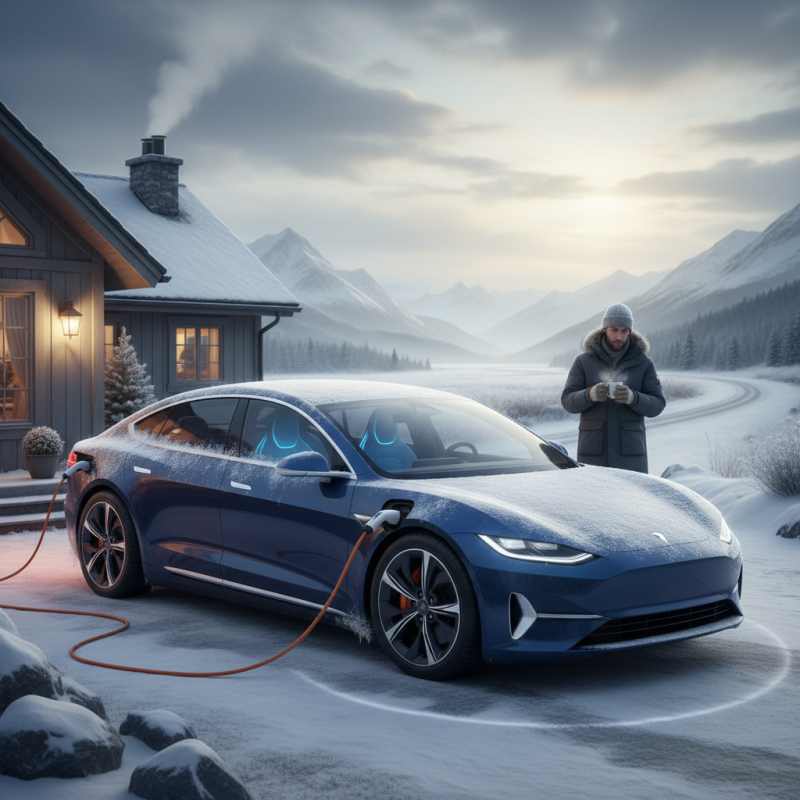
Cold weather significantly impacts the range of electric cars. Lower temperatures affect battery efficiency and performance. When it gets chilly, chemical reactions in batteries slow down. This makes it harder for them to provide the same amount of energy, reducing your driving range.
Battery management is crucial in these conditions. Keeping your battery at an optimal temperature is vital. Using preconditioning before driving can help. It warms up the battery while plugged in, improving efficiency.
Tips: Keep your car in a garage if possible. This will shield it from extreme cold. Check your tire pressure regularly, as cold air can lower it. Proper tire pressure enhances efficiency and range.
Additionally, using cabin heating drains the battery quickly. Consider a heated seat instead of heating the entire cabin. Every small adjustment helps maintain range. Keep an eye on your driving habits. Smooth acceleration and braking can extend your battery life, even in plummeting temperatures.
Cold weather significantly impacts the performance and efficiency of electric car batteries. When temperatures drop, chemical reactions within the battery slow down. This leads to a reduced ability to retain and deliver power. Many drivers notice their range decreases noticeably in winter. This isn’t just a minor inconvenience; it can be frustrating and surprising for new electric vehicle owners.
Battery technology is designed for optimal performance at moderate temperatures. When it’s cold, the battery management system kicks in to conserve energy. This can limit acceleration and other features. Charging may also take longer in low temperatures, creating a need for preconditioning.
Moreover, tire pressure decreases in colder weather, which can add to energy consumption. Underinflated tires create more rolling resistance. This subtle factor can further reduce the effective range of electric vehicles. A keen awareness of these effects is essential for electric car users, especially in colder climates. Ultimately, understanding these aspects can improve how drivers manage their vehicle's range in winter.
Cold weather can significantly impact the range of electric vehicles (EVs). This phenomenon stems from the chemistry of the battery. In low temperatures, battery efficiency declines. The electrolytes inside the battery become less conductive, making it harder for ions to flow. As a result, the power output diminishes.
Battery capacity is reduced in cold conditions. A lithium-ion battery may lose up to 30% of its capacity when temperatures drop significantly. Additionally, heating the cabin requires energy, further draining the battery. Drivers might notice shorter distances traveled on a single charge during winter months.
Tips: Pre-condition your EV while it's still plugged in. This warms the battery and cabin without using stored energy. Consider using eco-driving techniques to maximize your range. Remember, tire pressure can drop in colder weather too, affecting efficiency.
Planning your trips around charging stations helps avoid range anxiety. Stay aware of how temperature influences your battery’s performance. Adjusting your driving habits can make a noticeable difference. Don’t be discouraged; it’s possible to adapt to winter conditions. Understanding the science can empower better choices for EV use in the cold.
Cold weather can significantly impact the range of electric vehicles (EVs). The battery chemistry in EVs functions less efficiently in low temperatures. It means that on chilly days, you might notice a drop in range. This can be frustrating for drivers who rely on their vehicles daily.
To mitigate this issue, consider pre-conditioning your car. This involves warming up the battery while still plugged in. Keeping the car connected helps reduce energy consumption when driving. Additionally, using seat heaters instead of the cabin heater can save battery power. This might feel like a small compromise but can make a noticeable difference in range.
Monitor your usage as conditions change. Adjust your driving habits by reducing speed and using eco-driving modes. While these adjustments require some effort, they can enhance efficiency. Noticing your EV’s limitations in cold weather is an opportunity for reflection. This understanding can help you plan better for winter commutes and longer trips. Keeping these tips in mind allows for a smoother driving experience in winter weather.
Cold weather impacts electric vehicle (EV) performance significantly. When temperatures drop, the battery efficiency declines. Many drivers experience a loss of range. Some models retain more range than others. Research shows the battery chemistry affects how well electric cars operate in frigid conditions.
Driving habits influence range too. Frequent short trips prevent the battery from fully heating up. Models with better thermal management systems can handle cold better. However, even the best-performing EVs experience some range reduction in harsh winters.
Tips: To mitigate range loss, precondition your vehicle while it's still plugged in. This warms the battery and interior, improving efficiency. Teaming up with energy-efficient driving techniques can also help. Keep tires properly inflated to ensure optimal performance. Frequent monitoring of range can guide more efficient route planning. With careful management, you can enjoy your EV regardless of the season.
: Cold weather slows chemical reactions, reducing power retention and delivery, which decreases range.
Battery efficiency declines in low temperatures, reducing capacity by up to 30% in extreme cold.
Charging takes longer in the cold, often requiring preconditioning to warm the battery.
Colder temperatures can lower tire pressure, leading to increased rolling resistance and reduced range.
Heating the cabin drains battery energy, contributing to shorter driving distances in winter.
Pre-condition your vehicle while plugged in. Use eco-driving techniques for better efficiency.
Yes, plan around charging stations to avoid range anxiety, especially in colder climates.
Stay aware of temperature effects on your battery’s performance and adjust driving habits accordingly.
Yes, many new owners find the drop in range surprising and need to adapt to winter conditions.
Electric cars are known for their efficiency, but many owners often wonder, "Why does my electric car lose range in winter?" The decline in range during cold weather can be attributed to several factors, primarily the impact of low temperatures on battery performance and efficiency. As temperatures drop, the chemical reactions within the battery slow down, leading to reduced capacity and energy output. This effect can result in a significant decrease in driving range as electric vehicles struggle to maintain optimal performance.
To mitigate range loss in winter, drivers can adopt practical tips such as pre-conditioning the vehicle while it's still plugged in, using heated seats instead of cabin heat, and ensuring that tires are properly inflated. Additionally, different electric vehicle models exhibit varying degrees of range loss in cold weather, which highlights the importance of understanding your specific vehicle's characteristics. By being aware of these factors, electric car owners can better prepare for winter driving conditions.

Emy Car