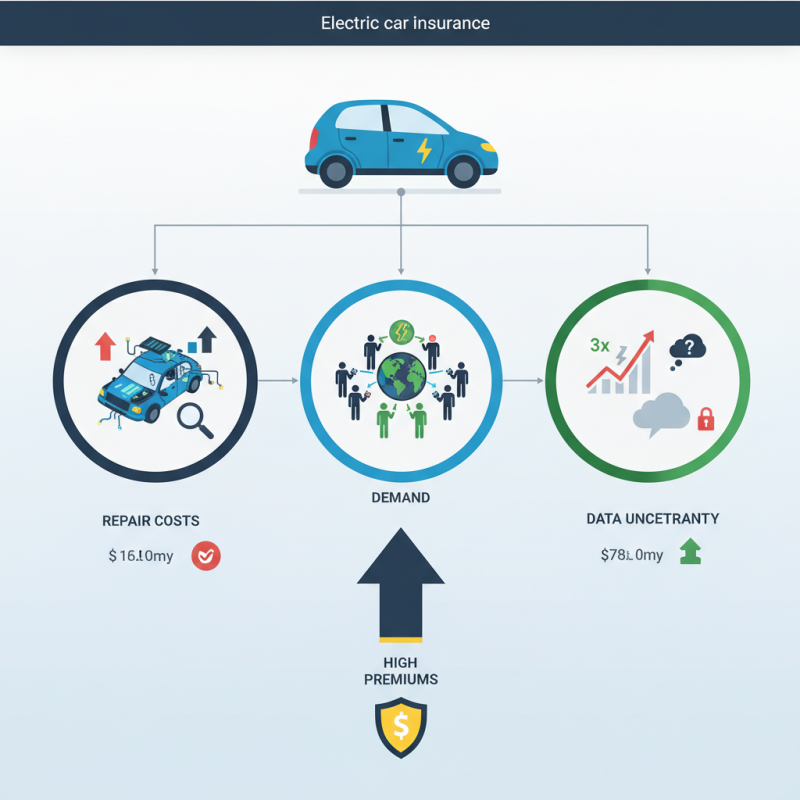
In 2026, the question arises: why are electric car insurance premiums so high? Several factors contribute to this trend, leading to increasing costs for consumers. Electric cars often have higher repair and replacement costs due to their specialized parts and technology. According to a report from the Insurance Institute for Highway Safety, repair costs for electric vehicles can be up to 40% higher than traditional cars.
Additionally, the rising popularity of electric cars has led to increased demand for insurance. A recent study by the National Association of Insurance Commissioners indicated that electric vehicle registrations are expected to triple by 2026. As more drivers transition to electric vehicles, insurers adapt their pricing strategies, which can lead to steeper premiums for consumers.
However, not all aspects of this industry are completely understood. Insurance providers are still gathering data on electric car performance and safety. This uncertainty can result in varying premium rates, stirring concern among potential buyers. As a result, understanding why electric car insurance premiums are so high becomes essential for navigating future automotive trends.
In 2026, electric car insurance premiums are notably high due to several key factors. The rising cost of replacement parts is a significant contributor. Many electric vehicles use specialized components, driving up repair costs. According to the National Association of Insurance Commissioners, parts for electric cars can be 30% more expensive than traditional vehicles. This influences the overall premium structure.
Another aspect is the advanced technology found in electric cars. Features like autonomous driving and complex battery systems require specialized repair skills. A report from the Insurance Institute for Highway Safety underscores that these advanced systems can lead to costly repairs. Generally, drivers face higher insurance costs tied to these technologies.
Tips: When shopping for electric car insurance, consider comparing quotes from multiple providers. Small differences in premiums can add up significantly. Keep in mind that usage patterns and mileage can influence your rate. Monitoring your driving habits can help lower expenses. Engaging with a reputable insurance agent for personalized advice is also beneficial.
| Factor | Impact on Premiums (%) | Description |
|---|---|---|
| Repair Costs | 25% | The cost of specialized parts and services for repairs are higher for electric vehicles. |
| Battery Replacement | 20% | Lithium-ion batteries can be expensive to replace, influencing overall insurance costs. |
| Technology Risks | 15% | The advanced technology in electric cars presents unique risks, increasing premium rates. |
| Market Demand | 10% | Increasing popularity of electric vehicles raises overall demand for insurance, affecting rates. |
| Regulatory Changes | 5% | New regulations concerning electric car insurance can lead to higher costs for providers. |
: Repair costs for specialized parts significantly increase premiums. Electric parts can be 30% more expensive than traditional ones.
Advanced features like autonomous driving systems require specialized repair skills, leading to costly repairs.
Electric vehicles need skilled technicians for repairs. Training programs affect overall repair expenses and premiums.
The growing number of electric vehicles changes risk assessments, potentially increasing premiums based on new accident data.
Yes, monitoring your mileage and driving patterns can help you find lower rates on insurance.
Absolutely, small differences in premiums can accumulate and save you money over time.
Increased claims related to natural disasters can raise insurance premiums for electric vehicles.
Yes, as the electric vehicle market evolves, insurance premiums may continue to fluctuate and require adjustment.
Look at multiple quotes, assess your usage patterns, and consult with an insurance agent for tailored advice.
With more electric cars on the road, insurers face new risks. Ongoing assessment is crucial to adapt premiums.
The rising question, "Why are electric car insurance premiums so high?" can be attributed to several key factors. Firstly, the repair costs for electric vehicles often exceed those of traditional cars due to the specialized parts and technology involved, which significantly impacts insurance rates. Additionally, advancements in battery technology, while beneficial for performance, have also led to higher valuation for vehicles, increasing the potential cost of claims.
Moreover, insurance claims statistics reveal that electric cars have different risk profiles compared to their gasoline counterparts, influencing pricing structures. Market trends, such as the growing popularity of electric vehicles, are further driving premiums up as insurers adjust their models to account for the unique characteristics and demands of this evolving market. Overall, a combination of repair costs, technological advancements, claims data, and market dynamics contribute to the high insurance premiums faced by electric vehicle owners in 2026.

 Emy Car