As electric vehicles (EVs) revolutionize the automotive landscape, a common question arises: "Do electric cars need oil changes or spark plugs?" Industry expert Dr. Emily Carter emphasizes that traditional maintenance practices do not apply to EVs. She states, "The absence of an internal combustion engine changes everything."
Unlike gas-powered cars, EVs are powered by electric motors. This means they do not require oil changes or spark plugs. The simplicity of their mechanics reduces maintenance needs significantly. For instance, EV owners often only need to check their brake fluids and tires regularly.
However, some drivers still hold misconceptions about electric car maintenance. This may lead to unnecessary services or expenses. Understanding the specific needs of electric vehicles is crucial. As the market continues to grow, clarity on maintenance standards will be essential for potential buyers and current owners alike.
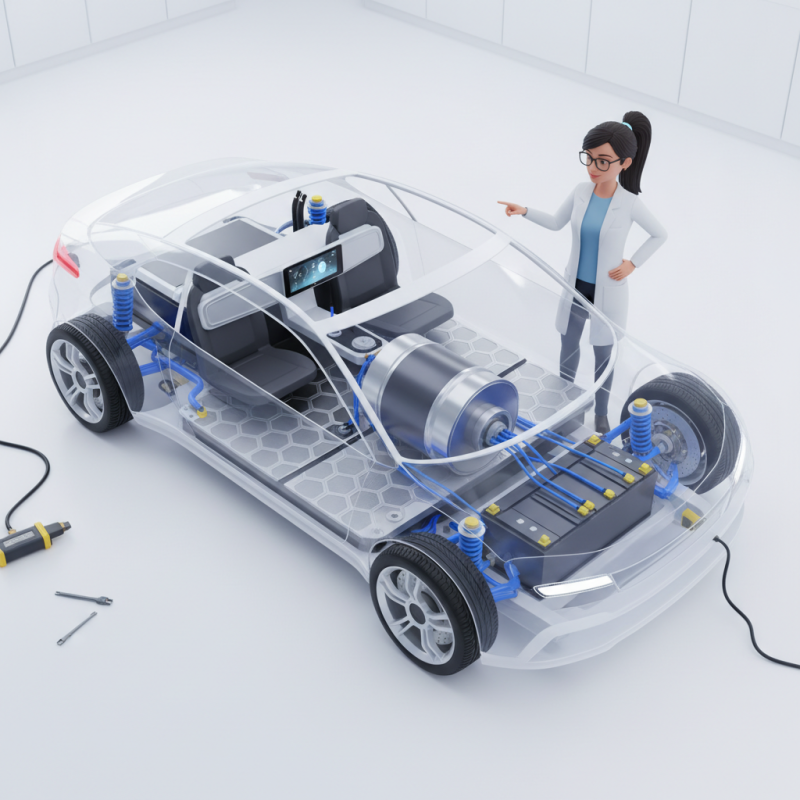
Understanding Electric Cars: A Comparison with Conventional Vehicles
Electric cars differ significantly from conventional vehicles. They do not require oil changes, leaving more time for drivers. This is one of the key benefits of electric vehicles (EVs). Traditional cars depend on internal combustion engines, needing regular maintenance like oil changes and spark plugs. In contrast, electric cars use electric motors powered by batteries.
According to the U.S. Department of Energy, EVs can reduce maintenance costs by 30-50% compared to conventional cars. However, it’s important to remember that electric vehicles still need care.
Battery life, for instance, is crucial. Most electric car batteries may last 8 to 15 years, depending on usage and environmental factors.
Tips for electric car maintenance:
- Regularly check tire pressure. Proper tire maintenance improves efficiency.
- Keep your charging equipment in good condition. It ensures optimal performance.
- Monitor battery health with your vehicle’s software. It provides insights into future performance.
Understanding these differences helps consumers make informed choices. While electric vehicles boast fewer mechanical parts, they still require specific attention. Being aware of battery health and proper maintenance will enhance the driving experience.
The Role of Oil Changes in Gasoline Vehicles vs. Electric Vehicles
When considering maintenance, electric cars greatly differ from gasoline vehicles. Oil changes are essential for traditional vehicles. They keep the engine lubricated and running smoothly. The American Automobile Association reports that oil changes are recommended every 5,000 to 7,500 miles for most gasoline cars. However, electric vehicles operate differently.
Electric cars lack traditional engines and don't require oil changes. They use electric motors. This reduces maintenance costs significantly. The average electric car driver can save around $1,000 on maintenance over ten years, according to a 2022 industry report. Sparks plugs, a critical component for gas engines, are also absent in electric vehicles. Their simplicity is a major selling point.
### Tips:
- Always check your electric vehicle’s battery health.
- Regularly monitor tire pressure and tread.
- Keep the software updated for optimal performance.
It’s important to note that while electric cars require less maintenance, they still need attention. Battery replacement can be costly, averaging $5,000 to $7,000. Understanding these needs is crucial to ensure longevity. Don’t overlook routine checks on essential components. Each vehicle has unique requirements, even in the electric realm.
Oil Changes and Maintenance Needs: Gasoline vs. Electric Vehicles
Spark Plugs: Do Electric Cars Utilize Them?
Electric cars have transformed the automotive landscape. A common question arises:
do these vehicles utilize spark plugs? The answer is no.
Unlike traditional combustion engines, electric vehicles (EVs) operate on electric motors. They don’t require spark plugs to ignite fuel.
Instead, they rely on batteries to power the motor and drive the wheels.
This absence of spark plugs means fewer components to worry about. Electric cars generally need less maintenance.
However, some may still wonder about the implications. The absence of spark plugs doesn’t eliminate all maintenance concerns.
Components like batteries and electric motors have their own upkeep needs. Battery degradation can be an issue over time.
Regular checks are crucial to ensure optimal performance.
While EVs simplify certain aspects, they are not entirely maintenance-free. Owners should be vigilant about their vehicle's health.
Understanding these nuances is essential for potential EV buyers. After all, the transition to electric driving isn't just about moving away from gas.
It's also about adapting to new care practices and technologies.
Maintenance Requirements for Electric Vehicles Before 2026
Electric vehicles (EVs) bring a new approach to maintenance. Unlike gasoline cars, they don't require oil changes. This is because they operate on electricity rather than combustible fuel. However, they still need regular check-ups. Many components must be monitored to ensure optimal performance.
Battery health is crucial for EVs. Regularly checking the battery's state of charge can prevent issues. The brake system also requires attention. Regenerative braking can reduce wear, but it’s still essential to watch for wear and tear. Cabin filters also need to be cleaned or replaced periodically to ensure air quality.
Tire maintenance is often overlooked. EVs can be heavier, causing more wear. Keeping tires properly inflated improves efficiency and safety. It's easy to forget these details. Maintaining an electric vehicle demands awareness. New owners may find it unfamiliar. They must adjust to this new landscape of care.
Evolving Technologies: The Future of Electric Vehicle Maintenance
As electric vehicles (EVs) advance, traditional maintenance needs are changing. Electric cars eliminate oil changes and spark plugs. This leads to a lower maintenance frequency. According to a report by the International Council on Clean Transportation, EVs require about 40% less maintenance than their gas counterparts. However, this doesn't mean there’s nothing to worry about.
Battery health and software updates are crucial aspects to monitor. EV batteries degrade over time. Research indicates that they lose 20% of their capacity after 8 years. Regular checks can prolong battery lifespan. Keeping software up-to-date improves performance and efficiency.
**Tip:** Schedule annual inspections. Focus on brakes, tires, and battery cooling systems. These components still wear out and need attention.
Another area to watch is the regenerative braking system. This innovative feature helps to recharge the battery while driving. Yet, it may require specialized maintenance. Ensure technicians are trained in EV systems. Failing to do so could lead to larger issues in the future.
**Tip:** Maintain proper tire pressure. Under-inflated tires can impact range. Regular checks will enhance performance.
Conclusion
The article titled "Do Electric Cars Need Oil Changes and Spark Plugs Before 2026?" explores the fundamental differences between electric and conventional vehicles, particularly in terms of maintenance requirements. Unlike gasoline vehicles, which require regular oil changes due to their internal combustion engines, electric cars do not need oil changes or spark plugs. This distinction is pivotal in understanding the reduced maintenance needs of electric vehicles, which tend to be simpler and more efficient.
As electric vehicle technology continues to evolve, the maintenance landscape is also changing. Before 2026, electric cars will likely require less frequent servicing compared to traditional vehicles, emphasizing the need to educate consumers about their unique maintenance profiles. Ultimately, the question "Do electric cars need oil changes or spark plugs?" is addressed affirmatively with a clear no, highlighting the advantages of transitioning to electric mobility.

 Emy Car