China’s electric vehicle market has become impossible to ignore. The China Association of Automobile Manufacturers reported approximately 12.87 million new energy vehicle sales in 2024. The International Energy Agency also identifies China as the world’s largest electric car market.
Yet strong sales do not guarantee tax-credit eligibility. A popular Chinese EV may qualify in one country, but fail elsewhere because of income limits, battery sourcing rules, local assembly requirements, or import restrictions. Details matter. The vehicle’s model year, purchase date, final assembly location, and battery components can change the result.
This guide addresses the practical question: “How to claim tax credits for buying an electric car?” It explains how buyers can check official eligibility tools, review dealer paperwork, and retain invoices, registration documents, and battery information. In the United States, Internal Revenue Service guidance should be checked before signing a contract, because credit rules and approved vehicle lists can change. Used-vehicle credits may also follow different income and price conditions.
A careful claim begins before payment. Ask the dealer for the vehicle identification number, eligibility confirmation, and required transfer documentation. Keep every receipt. Buyers should also compare national, provincial, state, or municipal incentives, since these programs may use separate deadlines and application portals.
The process is still confusing. Even experienced buyers can overlook a small condition. Reliable sources, updated records, and written dealer confirmation provide stronger protection than advertisements alone. This article offers a practical starting point, not a substitute for current government guidance or professional tax advice.
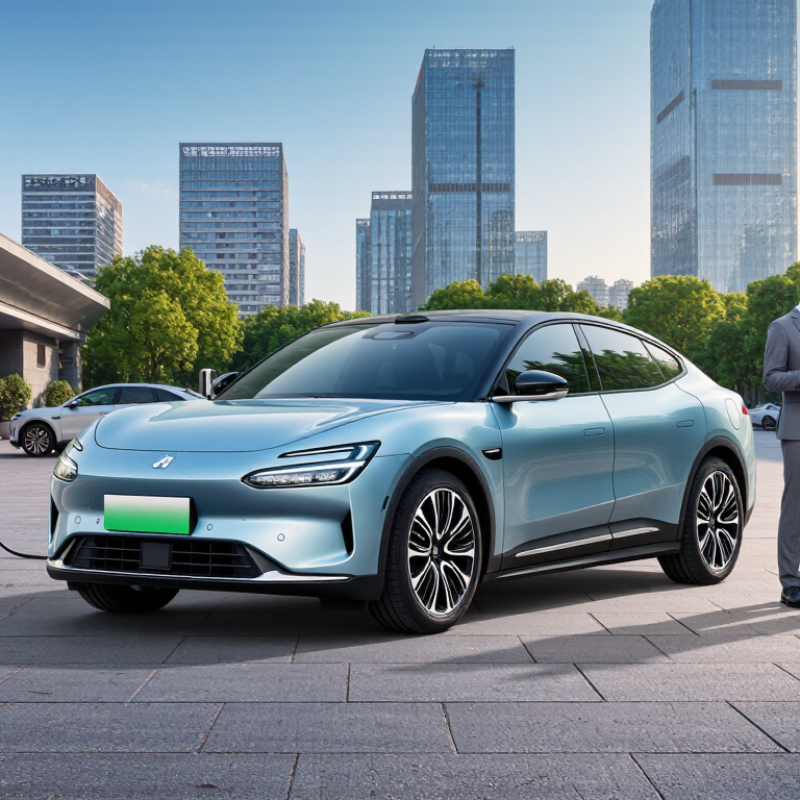
For a U.S. buyer in 2026, federal consumer EV credits require careful timing. The IRS states that the new and used clean vehicle credits ended for vehicles acquired after September 30, 2025. Chinese-built vehicles also generally failed earlier eligibility tests because final assembly had to occur in North America. Battery sourcing rules created additional restrictions involving foreign entities of concern.
The market remains significant. The International Energy Agency’s Global EV Outlook 2025 reported more than 17 million electric car sales worldwide in 2024. China accounted for over 11 million sales. Strong demand does not guarantee tax eligibility. It only shows the scale of the market.
Check the vehicle identification number, final assembly location, purchase date, and seller documentation. Keep the purchase contract and battery information. State, local, and utility incentives may still exist, but their rules differ sharply. Some require local registration or income verification. The paperwork is not intuitive. A dealer’s statement alone may be insufficient. Ask the relevant tax agency for written confirmation before paying a deposit. Eligibility can change quickly, and online summaries may already be outdated.
Before choosing an electric vehicle, confirm both the vehicle and buyer qualify for the applicable tax credit. Eligibility may depend on whether the vehicle is new, used, or leased. A new vehicle usually needs final assembly in North America, while battery sourcing rules can also apply. The vehicle must meet the current price limits and be registered for personal use. Commercial purchases may follow different rules. Check the vehicle identification number through an official government resource before signing paperwork.
Buyer eligibility matters just as much. Income limits can vary by filing status and may use modified adjusted gross income from the current or previous year. Your tax situation also affects how much credit you can use. Some credits are nonrefundable, so a large advertised amount may not reduce your tax bill fully. I have seen buyers focus on the sticker price and overlook this detail. That mistake can change the real cost significantly.
Tips: Ask the seller for written eligibility information. Confirm the exact model, trim, battery, and assembly location. Keep the purchase agreement, income records, and seller report. If a dealer offers an upfront transfer, verify the transaction in your final documents. Rules change, and online summaries can become outdated quickly. A tax professional or official tax agency source remains the safer reference.
China remains the world’s largest electric-vehicle manufacturing base. The International Energy Agency’s Global EV Outlook 2024 reported that China produced more than half of global electric cars. However, production scale does not decide United States tax eligibility. The vehicle’s final assembly location, battery sourcing, purchaser income, and purchase date matter more.
Under IRS Clean Vehicle Credit rules, a new vehicle generally needed final assembly in North America. Additional battery-component and critical-mineral requirements applied from 2024 onward. Vehicles assembled in China therefore usually failed the federal new-vehicle test, even when sold through an American importer. Buyers should check the vehicle identification number, window sticker, and the Department of Energy’s official eligibility list. Keep the seller’s invoice.
Timing is now critical. The One Big Beautiful Bill Act ended federal clean-vehicle credits for vehicles acquired after September 30, 2025. Earlier purchases may still qualify if delivery and registration records support the claim. A qualifying model could also lose eligibility after a production change. That detail is easy to miss.
Tips:
Confirm the model year and final assembly country before paying a deposit. Ask the dealer for a written eligibility statement. Compare it with IRS guidance, not advertisements. State incentives may use different dates and income limits. Rules change. My cautious view is simple: documentation is more valuable than a promising showroom label.
China Top EVs: How to Claim Tax Credits?
Gathering documents is often the hardest part of a tax credit claim. Eligibility depends on your country, vehicle origin, purchase date, income, and battery requirements. In the United States, buyers should verify current guidance from the Internal Revenue Service and the Department of Energy before filing.
Keep the sales invoice, purchase agreement, vehicle identification number, registration record, and payment evidence together. Ask the seller for a written eligibility certificate, if available. The invoice should show the delivery date, vehicle price, and buyer details clearly. Small gaps matter. A missing VIN can delay review.
The International Energy Agency reported nearly 14 million electric car sales worldwide in 2023. That rapid growth increases paperwork pressure for tax agencies and buyers. Keep digital copies, but retain original documents too. A bank statement may support payment, yet it may not prove vehicle eligibility. I would not rely on a salesperson’s verbal promise. Tax rules change, and even careful applicants can misread battery-content requirements. Check official forms immediately before submission.
| Documentation Category | Required Data or Document | Real-World Details to Check | Relevant Credit | Why It Matters | Suggested Retention |
|---|---|---|---|---|---|
| Vehicle identification | Vehicle Identification Number (VIN) | Record the 17-character VIN exactly as shown on the vehicle, title, registration, and purchase documents. | New clean vehicle credit; previously owned clean vehicle credit | The VIN is used to identify the vehicle and verify its eligibility and history. | At least 3 years after filing the related return |
| Purchase evidence | Signed purchase agreement or retail installment contract | Include buyer name, seller name, sale date, VIN, vehicle price, taxes, fees, and payment terms. | Both vehicle credits | Establishes that a qualifying purchase occurred during the relevant tax year. | At least 3 years after filing |
| Seller documentation | Seller report or time-of-sale report | For eligible transactions, the seller generally provides a report containing the VIN, sale date, vehicle details, and purchaser information. | New clean vehicle credit; previously owned clean vehicle credit | Supports the IRS reporting requirement and may be needed when claiming a credit transferred at the point of sale. | At least 3 years after filing |
| Vehicle origin and assembly | Final-assembly location | A new clean vehicle generally must have final assembly in North America. Check the vehicle’s official eligibility information rather than relying only on the country of sale. | New clean vehicle credit | Vehicles assembled outside North America generally do not meet the final-assembly requirement for the new-vehicle credit. | Keep eligibility evidence with the purchase records |
| Battery qualification | Battery capacity and sourcing eligibility | The vehicle must generally be powered by a battery with at least 7 kilowatt-hours of capacity. New-vehicle credits can also depend on critical-mineral and battery-component requirements. | New clean vehicle credit | Battery-related requirements determine whether the credit is available and whether the full or partial amount applies. | Keep manufacturer or seller eligibility records |
| Vehicle price test | Manufacturer’s suggested retail price (MSRP) | For the new-vehicle credit, the MSRP limit is generally $55,000 for cars and $80,000 for vans, sport utility vehicles, and pickup trucks. Manufacturer-installed options are generally included. | New clean vehicle credit | A vehicle above the applicable MSRP limit is not eligible, even if the negotiated purchase price is lower. | Keep the window label or official pricing record |
| Used-vehicle price test | Purchase price of a previously owned vehicle | The previously owned clean vehicle credit generally requires a purchase price of $25,000 or less and a purchase from a qualified dealer. | Previously owned clean vehicle credit | The price limit is based on the purchase price, not the vehicle’s original MSRP. | At least 3 years after filing |
| Model-year and ownership history | Model year, in-service date, and title history | A previously owned vehicle generally must be at least two model years old and cannot have been transferred to a qualified buyer more than once for this credit. | Previously owned clean vehicle credit | Confirms that the vehicle meets the age and resale-history requirements. | Keep title, registration, and vehicle-history records |
| Purchaser identity | Taxpayer identification and legal name | The name and taxpayer identification number used for the claim must match the filed federal income-tax return and purchase records. | Both vehicle credits | Prevents mismatches between the purchaser, tax return, seller report, and credit-transfer records. | Protect according to tax-record and privacy requirements |
| Income eligibility | Modified adjusted gross income (MAGI) | For the new-vehicle credit, the general MAGI limits are $150,000 for single filers, $225,000 for heads of household, and $300,000 for married couples filing jointly. Used-vehicle limits are generally $75,000, $112,500, and $150,000, respectively. | Both vehicle credits | The credit may be unavailable when the purchaser’s income exceeds the applicable limit. The IRS generally permits use of current-year or prior-year MAGI, subject to applicable rules. | Keep filed returns and income calculations |
| Tax-return forms | Form 8936 and applicable schedules | Use the current IRS version of Form 8936 and the required schedule for the vehicle type and tax year. Enter the VIN exactly as reported. | New and previously owned vehicle credits | This is the primary federal form used to calculate and report the clean vehicle credit on an income-tax return. | Keep the filed return and supporting schedules |
| Point-of-sale transfer | Advance payment or credit-transfer election record | For eligible transactions from 2024 onward, a buyer may generally transfer the credit to the dealer for an immediate financial benefit. Retain the election confirmation and final purchase documents. | New and previously owned vehicle credits | Documents whether the credit was claimed on the tax return or transferred at the time of purchase. | At least 3 years after filing |
| Payment verification | Receipt, bank record, finance statement, or lease record | Show the amount paid, payment date, purchaser, seller, and vehicle reference. A lease is generally not treated as a purchase by the lessee for claiming the federal vehicle credit. | Primarily purchase-based credits | Supports the economic substance of the transaction and distinguishes a purchase from a lease. | At least 3 years after filing |
| State registration | Registration certificate and title | Confirm the registered owner, VIN, registration date, and state of registration. State incentives may require separate applications and additional documents. | Federal and state claims | Provides ownership evidence and helps identify separate state or local incentive requirements. | Keep for the applicable state retention period |
| Final eligibility review | Official eligibility confirmation | Verify the VIN and model details using current official federal guidance before filing. Rules can change by tax year, including battery sourcing and foreign-entity restrictions. | Both vehicle credits | Prevents reliance on outdated specifications, unofficial listings, or assumptions based only on the vehicle’s country of manufacture. | Keep a dated copy or screenshot of the verification |
Filing a tax credit claim for an electric vehicle requires more than saving the sales receipt. In the United States, eligibility may depend on final assembly location, battery sourcing, vehicle price, buyer income, and purchase date. Many China-made EVs may not qualify for the consumer credit under current rules. Check the official tax authority’s vehicle eligibility list before signing.
Ask the seller for the vehicle identification number, purchase agreement, and required seller report. Enter the information carefully on the correct tax form, then keep digital copies of every document. A missing VIN digit can delay processing. Some buyers also confuse a refundable credit with a deduction. They are not the same. If the credit does not appear, compare your tax return with the eligibility rules and seller paperwork. Contact the tax authority if the documents conflict. Professional tax advice may prevent a costly mistake.
Tips: Keep the invoice, delivery date, and income records together. Check the rules for your filing year. Do not rely only on dealership statements. I once assumed a listed EV qualified because its battery was large; that assumption was incomplete. Eligibility can change during the year. Recheck the official guidance before filing.
No. Production volume does not determine eligibility. Final assembly location and battery requirements matter more.
Confirm the exact model, trim, battery, model year, and final assembly country. Check the vehicle identification number through an official government resource.
Usually not under earlier federal new-vehicle rules. Battery sourcing requirements may also apply.
Yes. Federal clean-vehicle credits ended for vehicles acquired after September 30, 2025. Earlier purchases need supporting delivery records.
Yes. Limits can vary by filing status and modified adjusted gross income. The current or previous year may matter.
Not always. Some credits are nonrefundable and may not reduce your tax bill completely. The headline amount can mislead.
Sometimes, depending on applicable rules and transaction details. Verify the transfer in your final documents.
Keep the purchase agreement, seller report, invoice, income records, registration proof, and eligibility information. Paperwork matters.
They can become outdated after production changes or rule updates. Compare them with current official tax guidance.
Ask the seller for written confirmation and consult an official tax agency or tax professional. I would not rely on showroom promises alone.
Understanding how tax credits may apply to Chinese electric vehicles begins with checking the current rules in the country or region where the vehicle is purchased and used. Eligibility can depend on the vehicle’s classification, battery specifications, final assembly location, purchase date, income limits, price limits, and whether the buyer is an individual or business. Before making a purchase, confirm that the specific model and transaction date qualify under the applicable program. The key question is: How to claim tax credits for buying an electric car?
To prepare a claim, gather the purchase agreement, proof of payment, vehicle identification details, certification documents, and any required income or registration records. Submit the claim through the appropriate tax return or official application process, following the instructions for the relevant tax year. If the credit is rejected or delayed, review the vehicle and buyer requirements, correct missing information, and contact the responsible tax authority or qualified professional for clarification. Rules can change, so verify all details before filing.

Emy Car