How to Choose the Best Digital Instrument Cluster for Your Car?

Time:2026-03-11 Author:Mason
0%

In the evolving world of automotive technology, the Digital Instrument Cluster has become a focal point for innovation and design. Industry expert Dr. Emily Chan states, "A well-designed Digital Instrument Cluster not only enhances driving but also enriches the user experience." Choosing the right cluster is crucial for modern vehicles.

These displays can be customized with various features and designs. They offer essential information like speed, navigation, and diagnostics at a glance. While many may prefer flashy interfaces, simplicity is often overlooked. A cluttered Digital Instrument Cluster can confuse drivers and distract them from the road.

Navigating the options available in the market may feel overwhelming. Some clusters are user-friendly, while others may feel complex and unnecessary. Striking a balance between advanced technology and intuitive design should be a primary goal. Reflecting on personal preferences can reveal what truly matters in a Digital Instrument Cluster. Ultimately, the right choice enhances both safety and comfort while driving.
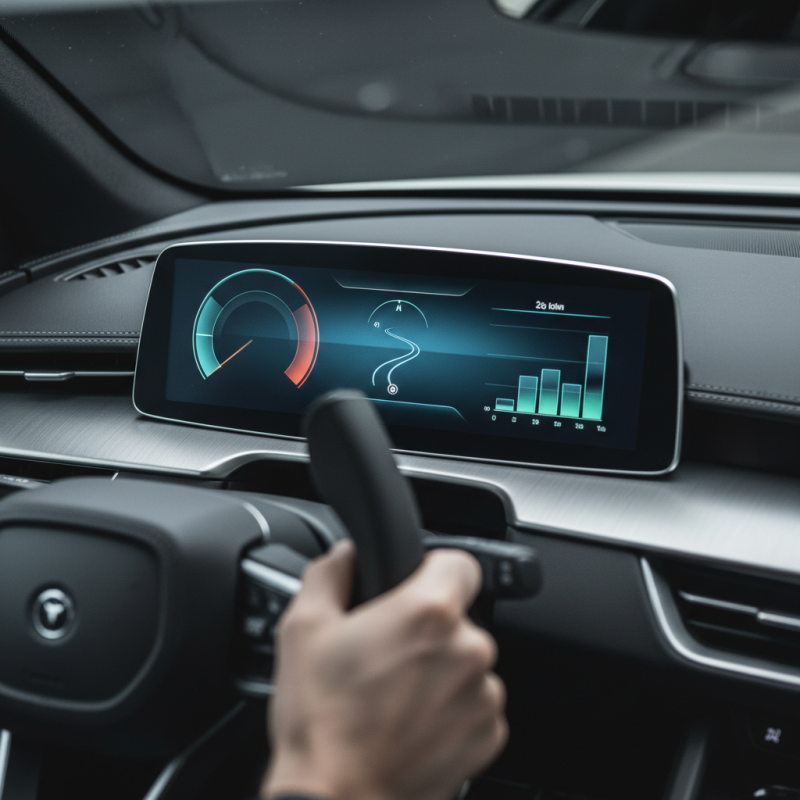
How to Choose the Best Digital Instrument Cluster for Your Car?

Understanding Digital Instrument Clusters: Key Features and Benefits

Digital instrument clusters are transforming how we interact with our vehicles. They offer a modern alternative to traditional analog displays. Key features include customizable layouts, high-resolution graphics, and advanced connectivity options. These elements enhance user experience significantly.

One essential benefit is the ability to personalize information. Drivers can select the data they find most relevant; this could be speed, navigation, or performance metrics. Customization ensures that vital information is always front and center. It caters to individual preferences in a way traditional displays cannot.

Tip: When selecting a digital cluster, consider ease of use. Look for intuitive menus and straightforward controls.

Another remarkable aspect is connectivity. Digital clusters can integrate with smartphones and GPS systems. This feature enables drivers to receive notifications or directions seamlessly. Yet, it’s crucial to focus on safety. Always ensure that tech aids, rather than distract.

Tip: Test various settings before making a decision. Spend time to find what feels natural to you.

In conclusion, while digital clusters offer incredible benefits, potential buyers should think critically. Some layouts may feel cluttered or overwhelming. It’s important to find a balance between functionality and simplicity.

Evaluating Compatibility: Ensuring the Cluster Fits Your Vehicle Model

When choosing a digital instrument cluster, compatibility is crucial. Not every cluster fits every car model. Measure your dashboard space carefully. Check the shape and the mounting points. A mismatch can lead to an awkward installation. That can affect aesthetics and functionality as well.

Consider the connection types that your vehicle uses. Different cars may require specific wiring or adapters. Ensure that the cluster offers the necessary ports. Otherwise, you might face connection issues. Also, explore features that suit your driving style. A sporty design may not blend with a family car.

Researching your vehicle's specifications can prevent frustration. Not all clusters display the same metrics. You may find that some lack vital information. Incompatible features could lead to inaccurate readings. It's essential to deal with any uncertainty before making a purchase.

Comparison of Popular Digital Instrument Clusters by Vehicle Compatibility

Display Quality: Choosing the Right Screen for Visibility and Clarity

Choosing the right digital instrument cluster is essential for a better driving experience. Display quality plays a crucial role in this selection. A good screen should allow you to see vital information clearly. Opt for high resolution and bright screens. This is particularly important in bright sunlight or at night.

Consider the size of the display as well. A larger screen often enhances readability. However, it might also be overwhelming. Balance is key. Look for screens with good contrast and color depth. Ensure text is easily readable and icons are clear. You should be able to glance quickly at the information without distraction.

Testing out the display is essential. Spend time in front of it. Consider how it feels while driving. Some screens may have touch capabilities, which can be both a convenience and a distraction. Reflect on your habits; do you often find yourself fumbling with controls? A good display should enhance your focus, not detract from it.

Customization Options: Personalizing Your Digital Instrument Cluster Experience

Customization plays a vital role in enhancing your digital instrument cluster experience. When selecting features, consider your driving habits. A customizable layout lets you prioritize the information you need most. Speed, navigation, and fuel levels can be highlighted prominently. Changing colors or styles offers unique personalization. This makes your dashboard reflect your style and preferences.

Some clusters allow you to adjust the brightness. This feature is essential for day and night driving. A well-lit display ensures visibility without distraction. However, not all systems offer this flexibility, which can be frustrating. You might find yourself squinting at poorly lit details during night drives. Consider also the type of information you want at a glance. Do you want performance metrics or more entertainment options? Balancing these can be tricky.

For further customization, explore themes. Many systems provide various aesthetic options. You might prefer a classic look versus a modern display. Missteps in choosing can make the interface cluttered or overwhelming. Take time to experiment with settings. It’s important to revisit your choices. As your driving needs change, so might your preferences. Reflecting on these can help maintain an ideal setup.

Installation and Support: Factors to Consider Before Purchase

When considering a digital instrument cluster, installation and support are crucial factors. Many users underestimate the complexity of installation. Reports indicate that 30% of installations result in challenges due to compatibility issues. Ensure your chosen cluster fits your vehicle model. The ease of installation varies significantly among different products.

Support is another critical aspect. A study revealed that 40% of users sought help after purchase. Responsive customer service is vital for troubleshooting. Check if the manufacturer provides comprehensive documentation. Look for online forums or communities for additional insights. Peer reviews can reveal common issues faced during installation.

Remember, even the best clusters may pose installation hurdles. Ensure that you have the technical know-how or professional assistance. Reflect on your comfort level with technology. Digital clusters offer advanced features, but these require proper setup. Investing time in research can save headaches later.

FAQS

: What are digital instrument clusters?

: Digital instrument clusters are modern displays that provide information about vehicle performance. They replace traditional analog displays.

How can I personalize my digital instrument cluster?

You can select which information is shown, like speed or navigation. Custom layouts cater to individual preferences.

Why is display quality important?

A clear and bright display allows you to see vital information easily. This is crucial in various lighting conditions.

What should I consider when choosing a digital cluster?

Consider the ease of use and intuitive menus. Test different layouts that feel comfortable and natural to you.

Can I adjust the brightness of the display?

Some systems allow brightness adjustments for day and night driving. Not having this feature can be frustrating.

How do I know if a display is distracting?

Reflect on your habits. If you find yourself fumbling with controls, the display may be distracting instead of helpful.

Are customization options limited in digital clusters?

Customization varies. Some systems offer many themes, while others may feel cluttered. It’s essential to find a good balance.

What happens if my preferences change over time?

Revisit your settings periodically. As your driving habits evolve, your dashboard setup may need adjustments to match.

How does connectivity enhance the digital cluster experience?

Connectivity allows integration with smartphones and GPS, providing seamless access to notifications. However, focus on safety first.

Can touchscreens be both convenient and distracting?

Yes, touchscreens add convenience but can also distract from driving if not designed well. Use them mindfully.

Conclusion

When choosing the best Digital Instrument Cluster for your car, it’s essential to understand its key features and benefits. Digital instrument clusters offer advanced functionalities such as customizable displays and enhanced visibility, which can significantly improve your driving experience. Evaluating compatibility with your vehicle model is crucial to ensure the cluster integrates seamlessly.

Display quality plays a vital role in visibility and clarity, allowing for easy reading of vital information while driving. Additionally, customization options enable you to personalize your cluster's appearance and functionality, making it uniquely yours. Lastly, consider installation requirements and available support before making your purchase, as these factors can influence the overall user experience and satisfaction with the Digital Instrument Cluster.

Mason

Mason

Mason is a seasoned marketing professional with a deep expertise in the company's offerings and a passion for driving brand awareness. With a strong background in digital marketing strategies, he has an innate ability to connect with diverse audiences and effectively communicate product benefits.......