As the market shifts toward electric vehicles (EVs), one question arises frequently: "Why do electric cars accelerate so much faster than gas cars?" This is not just a matter of impressive numbers; it reflects profound technological advancements. According to a report by the International Energy Agency (IEA), the global electric car stock reached 10 million units in 2020, showcasing a rapid increase in consumer adoption.
Experts in automotive technology, like Dr. Emily Chang, highlight the reason for this acceleration. She states, “Electric motors can deliver 100% of their torque instantly, providing a seamless and powerful drive.” This characteristic of electric motors allows them to outperform traditional gas engines, which need to build up rpm for optimal power. For instance, many electric vehicles can achieve 0 to 60 mph in under four seconds, far surpassing most gas vehicles in similar categories.
The appeal of faster acceleration is clear. However, it raises questions about our dependency on existing technologies. Are we ready to embrace this shift fully? As we delve into the top electric cars of 2026, understanding their acceleration advantages is crucial to recognizing the future of transportation.
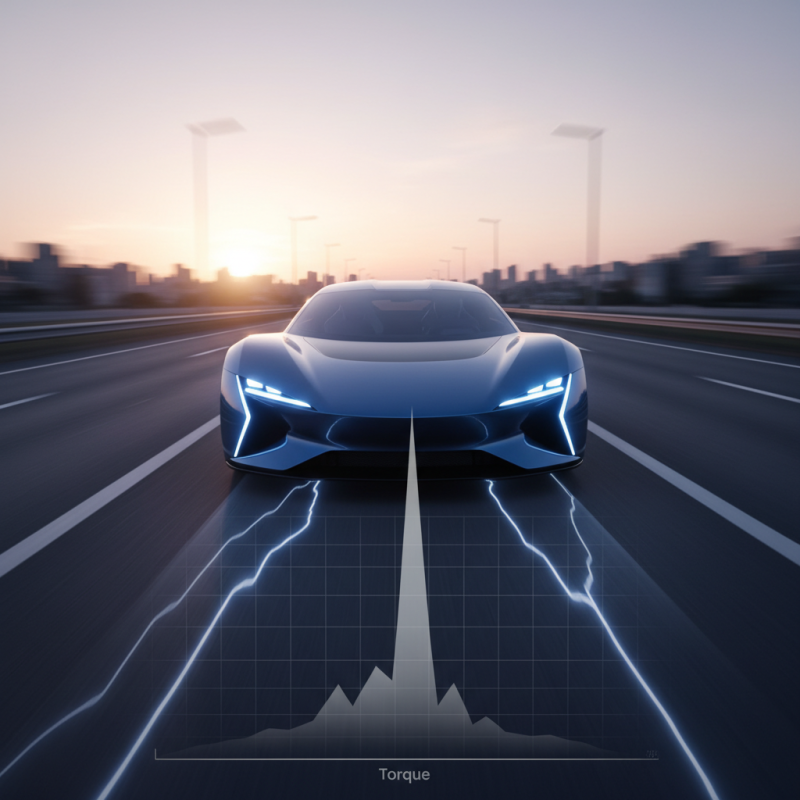
2026 Best Electric Cars: Overview of Electric Vehicle Technology
Electric vehicles (EVs) have evolved rapidly, showcasing advanced technology that enhances acceleration and efficiency. With powerful electric motors, these cars deliver instant torque, allowing them to reach impressive speeds quickly. According to the International Energy Agency, electric cars accounted for 10% of global car sales in 2023, a testament to growing consumer demand for this technology.
EVs utilize lithium-ion batteries, which have become more efficient and lighter over the years. They offer greater energy density, providing longer ranges. For instance, recent reports indicate that advancements in battery technology could lead to a 30% increase in energy capacity by 2026. This allows for smoother and quicker acceleration, as energy is transferred seamlessly from the battery to the motor.
Tips: When considering an electric vehicle, focus on the charging infrastructure in your area. Fast chargers can make long trips feasible. Research range and battery specifications to ensure your needs are met.
It's essential to acknowledge that while electric technology is transforming, challenges remain. The production of batteries raises environmental concerns. Furthermore, the market can be inconsistent in establishing standards that promote accessibility and usability. As the technology continues to develop, careful scrutiny and reflection will be vital in maximizing its benefits.
Understanding Acceleration: The Physics Behind Electric vs. Gas Engines
Electric cars often outperform gas vehicles in acceleration. This difference arises from the fundamental physics of their engines. Electric motors deliver torque instantly. This immediate response is unlike gas engines, which require time to build up speed. When drivers press the accelerator, electric vehicles leap forward. The experience is thrilling and instantaneous.
The simplicity of electric motors helps too. Fewer moving parts reduce mechanical lag. In contrast, gas engines rely on a series of complex processes. These processes include fuel combustion and exhaust expulsion. The inefficiencies of these steps slow down gas vehicles. Electric cars, with their direct power source, glide past with grace. However, not all electric vehicles are equal. Different models feature varying battery sizes and motor capacities, leading to fluctuating acceleration rates.
While electric vehicles excel in speed, they face challenges. Battery life and range are significant concerns for many users. Over time, batteries degrade and can lose efficiency. Additionally, charging infrastructure can be limited in some areas. These factors may lead consumers to rethink their choices. Consequently, while the acceleration of electric cars is impressive, it’s essential to examine the broader picture.
Key Performance Metrics: Torque and Power in Electric Cars
Electric cars are known for their remarkable acceleration. This performance is largely due to their unique engineering. While gasoline engines rely on a complex system of parts, electric motors deliver power instantly. The key metrics here are torque and power. Electric cars generate maximum torque right from the start, allowing them to accelerate rapidly.
According to a report from the International Energy Agency (IEA), electric vehicles (EVs) produce up to 80% of their peak torque available immediately. This is in stark contrast to traditional gas engines, which must build up RPMs to reach their peak torque. Additionally, studies show EVs can achieve 0 to 60 mph in under four seconds, a benchmark set by many models in recent years.
However, there are challenges. Battery weight can impact performance. A heavier battery reduces overall efficiency and might hinder agility. Furthermore, the infrastructure for fast charging is still being developed. This can lead to range anxiety among potential users. As manufacturers continue to innovate, balancing power, weight, and charge time remains crucial for the future of electric vehicles.
Industry Data: Acceleration Times for 2026 Electric Vehicles vs. Gas Cars
In 2026, electric vehicles (EVs) are expected to dominate the acceleration charts. According to industry data, electric cars can achieve 0 to 60 mph in as little as 2.5 seconds. This impressive figure is made possible by electric motors, which deliver torque instantly. Gas-powered cars, on the other hand, typically take around 4 to 6 seconds to reach the same speed. The gap in performance is significant.
One key factor is the efficiency of electric motors. Studies show that EVs convert over 60% of electrical energy from the grid to power at the wheels. Gas cars convert only about 20% of the energy stored in gasoline. This efficiency leads to quicker launches and a more responsive driving experience. Additionally, research indicates that the weight distribution in EVs often enhances traction, contributing to faster acceleration.
However, challenges still exist. Battery weight can impact handling. As electric cars push the limits of speed, manufacturers must balance performance with stability and range. Despite the advancements, there is a need for ongoing improvement in battery technology to ensure consistent acceleration without sacrificing overall vehicle performance. This reflection on current trends illustrates the ongoing evolution within the automotive industry.
2026 Electric Cars vs Gas Cars Acceleration Times
Future Trends: Innovations Leading to Faster Acceleration in EVs
Electric vehicles (EVs) are becoming faster and more exciting. They often outpace gas-powered cars in acceleration. This can be attributed to several innovations in technology. One major factor is the use of electric motors. These motors can provide instant torque. This immediate power allows for quick starts and rapid acceleration.
Battery technology also plays a crucial role. Modern EVs use advanced lithium-ion batteries. These batteries are lighter and more efficient. This reduces weight and improves handling. Researchers are exploring solid-state batteries too. These could increase energy density and safety, leading to better performance.
Tips: When considering an EV, focus on weight and battery specs. A lighter vehicle often accelerates faster. Check for features that optimize power delivery. Innovations are ongoing, and future trends are promising. Stay informed about developments that may enhance your driving experience. Consider the charging infrastructure too. It impacts how well you can utilize the vehicle's capabilities.
FAQS
: Electric cars deliver torque instantly, giving them immediate acceleration. Gas engines take time to build speed.
Electric vehicles produce maximum torque right away. This allows rapid acceleration, unlike gas engines.
No, different models have varying battery sizes and motor capacities. This leads to different acceleration rates.
Battery life, range, and charging infrastructure can be limited. These concerns may cause buyers to rethink their choices.
Industry data suggests they can achieve 0 to 60 mph in as little as 2.5 seconds. Gas cars take longer.
Electric cars convert over 60% of grid energy to wheel power. Gas cars convert only about 20% of gasoline energy.
Heavier batteries can reduce overall efficiency and agility. This can impact handling and acceleration.
It ensures consistent acceleration and better vehicle performance while addressing range anxiety for users.
Range anxiety refers to the fear of running out of battery power before reaching a charging station.
Yes, with innovations in battery technology and motor design, performance may continue to enhance in the future.
Conclusion
The article "2026 Best Electric Cars: Why Do They Accelerate Faster Than Gas?" delves into the technological advancements behind electric vehicles (EVs) and explores the physics that contribute to their impressive acceleration. One key factor is the instant torque delivery of electric motors, which allows EVs to achieve rapid speeds from a standstill, in stark contrast to traditional gas engines that require time to build up power. The article also examines critical performance metrics, illustrating how torque and power dynamics favor electric cars in acceleration.
Furthermore, industry data highlights acceleration times for various 2026 electric vehicles compared to gas cars, showcasing the substantial lead EVs have gained. Future trends and innovations poised to enhance these performance metrics further reaffirm the notion: Why do electric cars accelerate so much faster than gas cars? The evolution of electric vehicle technology continues to push the boundaries of performance and efficiency, making it a compelling avenue for automotive advancements.

 Emy Car